RSS

Beltline Calgary Community Guide (2026)

Is Beltline the Best Urban Community in Calgary?

If you want true downtown living in Calgary, Beltline is the benchmark. It’s the city’s densest condo district, nightlife hub, and one of the most active rental markets. But it’s also one of the most misunderstood communities.

Here’s a clear breakdown:

1️⃣ What Beltline Is Known For

• Calgary’s highest-density residential community
• Primarily condo living (very few detached homes)
• 17th Ave SW nightlife and restaurant corridor
• Walking distance to downtown offices
• One of the most renter-heavy communities (~75%)

This is not suburban Calgary. This is city energy.

2️⃣ Demographics Snapshot

• Population: ~25,000+
• Majority renters
• Smaller households (singles & couples)
• High percentage of professionals
• Car-optional lifestyle

If you want space and quiet streets, this may not be your fit.
If you want convenience and vibrancy, it’s strong.

3️⃣ 2026 Real Estate Price Overview

Primarily condo-driven market.

Apartment Condos:
~$280,000 – $450,000 (luxury units higher)

Townhomes (limited supply):
~$500,000 – $700,000+

Detached Homes:
Rare to nonexistent

Rental Rates:
~$1,700 – $2,400/month (1–2 bedroom range)

👉 Beltline is one of the most affordable ways to live near downtown Calgary.

4️⃣ What Makes Beltline Different From Other Communities

This is where it separates from Mission, Kensington, Inglewood, etc.

🔥 17th Avenue SW

Calgary’s most recognizable dining and nightlife corridor.
Patios, bars, restaurants, fitness studios — high activity year-round.

🏢 Condo Density

Beltline has the most high-rise inventory in Calgary.
This creates:
• High liquidity
• Active resale market
• Strong rental turnover

🚶 True Walkability

• Grocery stores within blocks
• Downtown offices walkable
• Transit access
• River pathways minutes away

Few Calgary communities allow you to realistically live without a car.

🎉 Stampede Impact

During Calgary Stampede, Beltline becomes one of the most active areas in the city.

5️⃣ Buyer Advantages

✔ Entry-level downtown ownership
✔ Strong rental demand
✔ Easy to resell in balanced markets
✔ Lifestyle-focused living
✔ Strong long-term urban growth potential

6️⃣ Risks & Considerations

Beltline is a smart-buy community, not an emotional buy.

⚠ Condo Fees
High-rise buildings often mean higher monthly fees.

⚠ Special Assessments
Older buildings (1960–1990 era especially) must be reviewed carefully.

⚠ Market Sensitivity
Condos fluctuate more than detached homes during buyer markets.

⚠ Parking
Not all units include titled parking.

⚠ Crime Rate
Higher than suburban family communities.

7️⃣ Who Should Buy in Beltline?

✔ First-time buyers
✔ Investors
✔ Downtown professionals
✔ Buyers prioritizing lifestyle over land

Not ideal for:
❌ Families wanting large yards
❌ Buyers uncomfortable with condo boards & governance

8️⃣ Investor Insight

Beltline performs best when:

• You buy in well-managed buildings
• You secure parking + storage
• You focus on 1–2 bedroom layouts
• You negotiate aggressively in condo-heavy markets

It is one of Calgary’s most liquid rental zones — but building selection matters more than community selection.

Final Takeaway

Beltline isn’t Calgary’s “best” community.

It’s Calgary’s most urban community.

If you value:
Energy
Walkability
Rental demand
Downtown proximity

It’s difficult to beat.

If you value:
Space
Quiet
Family schools
Long-term detached appreciation

For strategic advice on buying, selling, or rental investments in Calgary, connect with Clara Nguyen – Calgary Realtor today at 778 836 2495.


Read

Calgary Housing Market Shift: Migration Slowdown Signals Buyer-Friendly Conditions in 2026

After several years of strong population growth fueled by interprovincial migration, Calgary’s housing market is beginning to cool. A new outlook from the Conference Board of Canada shows a sharp decline in Canadians moving to Alberta—especially into Calgary—and the effects are already showing in local real estate.

In 2023 and 2024, Calgary welcomed more than 18,000 new residents annually from other provinces. However, that number dropped significantly in 2025 and is projected to fall further by 2030. As migration slows, housing demand is easing.

What This Means for Calgary Real Estate

  • Fewer buyers are active in the market.

  • Inventory levels are increasing.

  • Homes are taking longer to sell.

  • Multiple-offer situations are becoming rare.

  • Sales volume dropped over 14% late last year.

After years of strong seller’s market conditions, Calgary is now shifting toward a more balanced—or even buyer-friendly—market.

Why the Slowdown?

Several factors are contributing:

  • Reduced federal immigration targets

  • Economic uncertainty and U.S. tariffs

  • Rising cost of living

  • Housing affordability pressures

  • Strain on healthcare and school infrastructure

While Calgary is seeing a sharper cooling trend, Edmonton’s market remains more stable but could also soften depending on economic conditions.

What to Expect in 2026

Looking ahead, Calgary’s housing market will likely be influenced by:

  • Oil price trends

  • Economic stability

  • Migration levels

  • Interest rate movements

For buyers, this shift may create more negotiating power and improved inventory options. For sellers, pricing strategy and market positioning will become more important than ever.

Full article  is here https://calgary.citynews.ca/2026/01/06/alberta-migration-slowdown-calgary-housing/

Read

Calgary Secondary Suite Incentive Program: What Homeowners Need to Know (2026 Guide)

If you’re thinking about adding a legal secondary suite in Calgary, the City offers financial support to help offset upgrade costs. The Calgary Secondary Suite Incentive Program was created to encourage safe, code-compliant basement suites and increase affordable rental housing across the city.

Here’s what Calgary homeowners need to know before applying.

How Much Funding Can You Get?

Eligible homeowners can receive up to $10,000 to help cover the cost of required safety upgrades when developing or legalizing a secondary suite.

The funding is designed to support:

  • Fire safety improvements

  • Egress (escape) windows

  • Smoke and carbon monoxide alarms

  • Proper fire separation

  • Code-compliant exits

  • Ventilation and heating upgrades (if required)

In some cases, additional support may apply for energy-efficiency or accessibility upgrades.

Important: This incentive helps offset costs — it does not fully pay for building the suite.

Who Qualifies for the Calgary Secondary Suite Grant?

To be eligible:

  • You must own and live in the home (owner-occupied).

  • The suite must be located within the main house (typically a basement suite).

  • You must have an approved building permit before applying.

  • Work completed before application is generally not eligible.

  • Detached backyard suites are not included in this program.

Only one application per homeowner is typically allowed.

What the Incentive Actually Covers

The program focuses on making suites legal and safe under Calgary building code requirements.

Common upgrades that qualify include:

  • Enlarging basement windows for emergency exit

  • Installing interconnected smoke alarms

  • Improving fire-rated drywall or ceilings

  • Adding protected exit pathways

  • Upgrading mechanical systems if required by inspection

Funding is based on missing safety items identified during the review process.

⚠ Important Conditions to Consider

Before moving forward, homeowners should know:

  • You must apply before construction begins.

  • The suite must meet City of Calgary regulations.

  • There may be restrictions related to short-term rental licensing.

  • Funding is limited and subject to program availability.

Why This Matters for Calgary Homeowners

Adding a legal secondary suite can:

  • Increase your property value

  • Generate rental income

  • Improve mortgage qualification potential

  • Support Calgary’s housing supply

  • Make your home more marketable when selling

With Calgary’s strong rental demand, legal basement suites remain one of the most popular ways homeowners build long-term wealth.

Is Building a Secondary Suite in Calgary Worth It?

For many homeowners, yes — especially if you plan to:

  • Live in the home long term

  • Offset rising mortgage costs

  • Invest in income property

  • Help family members with independent living space

However, proper budgeting, permitting, and understanding city regulations are critical before starting.

Thinking About Adding a Legal Suite in Calgary?

Before applying for permits or starting construction, it’s smart to review:

  • Zoning requirements

  • Building code standards

  • Estimated renovation costs

  • Rental income potential in your community

If you want help understanding how a secondary suite could impact your property value or rental strategy in Calgary, I can walk you through the numbers.

Detail about the program here

https://www.calgary.ca/development/home-building/secondary-suite-incentive-program.html

Read

A Buyer’s Guide to Choosing Where to Live in Calgary 2026

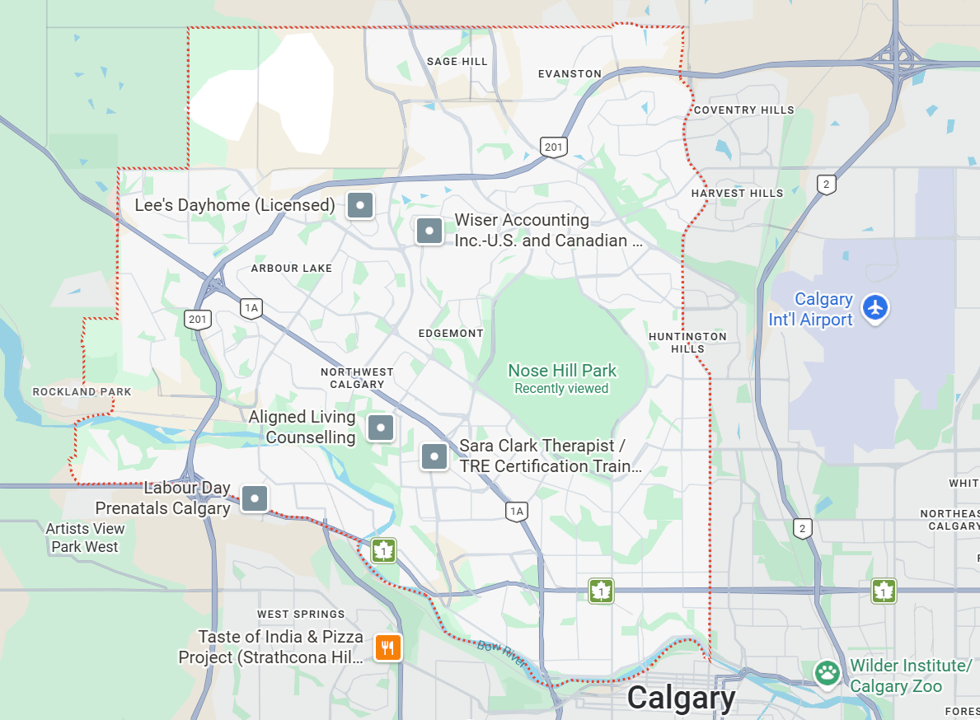
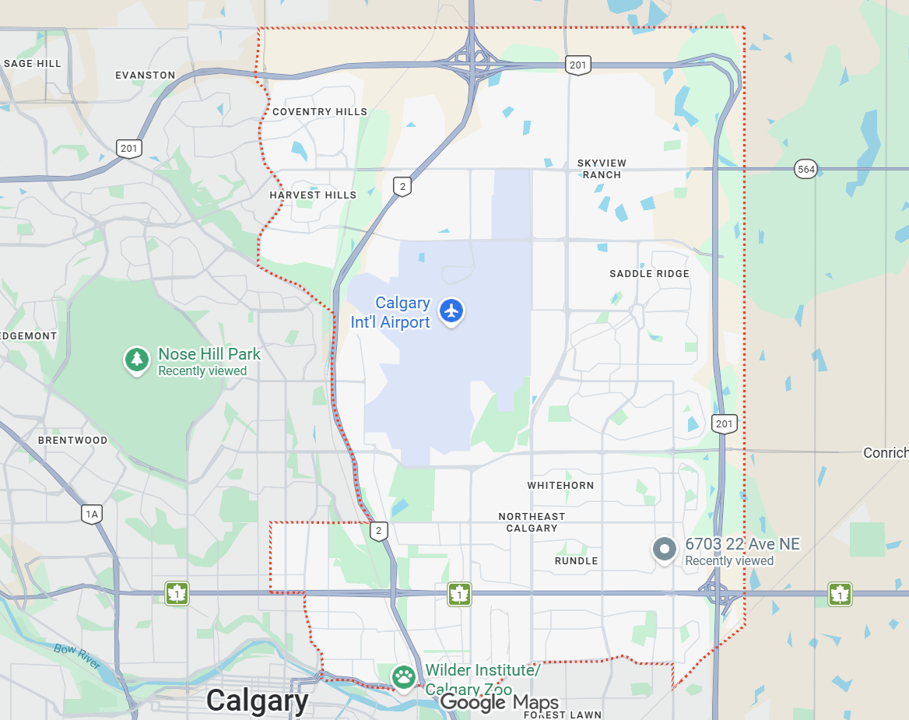
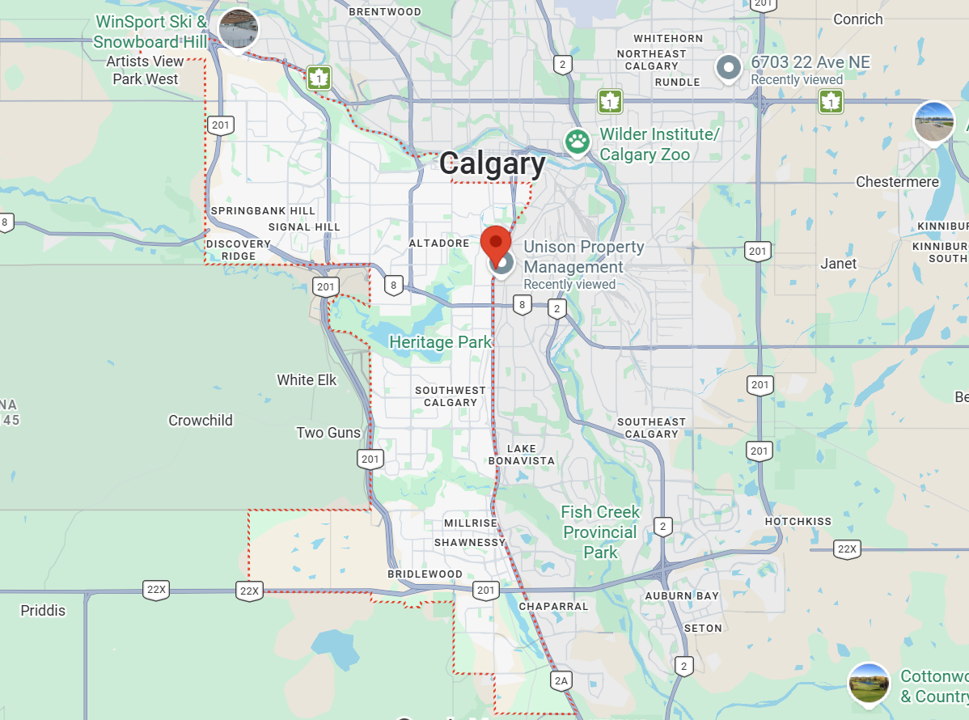
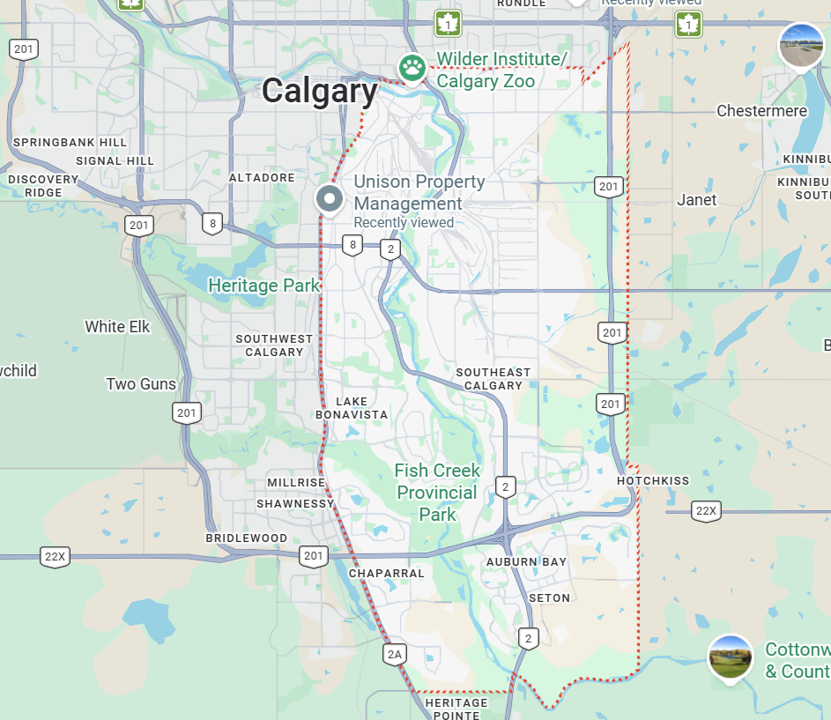
If you’re buying a home in Calgary, choosing the right quadrant is one of the fastest ways to narrow down neighbourhoods that match your budget, commute, and lifestyle. Calgary is commonly organized into NW, NE, SW, and SE (you’ll even see it in addresses like “Ave NW” or “St SE”).

Let’s do some comparison here.

Quick market snapshot (prices by area)

Real estate stats are usually tracked by districts (City Centre, North East, North West, West, South, South East, etc.) rather than “SW quadrant” as one single bucket. Still, these numbers give you a reliable feel for relative price pressure across the city:

  • North West (NW district): benchmark around $615,000

  • North East (NE district): benchmark around $473,200

  • South East (SE district): benchmark around $545,800

  • City Centre / West / South (big parts of SW): ~$554,500 / $684,300 / $556,800 respectively

How to read that: NW and SW (especially “West”) tend to price higher; NE tends to be more budget-friendly; SE often sits in the middle with lots of family-oriented options.

Northwest Calgary (NW): “Education + Outdoors + Established Family Areas”

Best fit for: families, professionals, long-term owners, buyers who want parks + schools + a wide range of housing.

What buyers love

  • Strong neighbourhood mix: from established communities to newer NW builds, often with good access to parks and pathways.

  • Lifestyle: easy access to big green spaces (e.g., Nose Hill area vibe) and plenty of “everyday convenience” shopping, schools, recreation.

  • Resale strength: NW is often a “safe bet” for long-term livability and demand (reflected in higher benchmark pricing).

Watch-outs

  • Price point: NW benchmark pricing is higher than NE and SE, so you may trade space for location/features.

  • Commute differences: NW is large—your commute can vary a lot depending on whether you’re inner NW vs far NW. (Always test-drive the route at rush hour.)

Smart buyer tip

  • Use Calgary’s community profiles to compare demographics, housing type, and household stats by specific community—not just “NW.”

Northeast Calgary (NE): “Value + Diversity + Airport/Logistics Access”

Best fit for: first-time buyers, value-focused families, investors looking for affordability, buyers who want access to the airport or major routes.

What buyers love

  • Affordability: NE district benchmark pricing is typically among the lowest in Calgary, which can mean a lower entry point for ownership.

  • Convenience for travel & industry: many NE areas benefit from proximity to major roads and the airport/industrial employment hubs (depending on the exact community).

  • Culture & food: NE is known for diverse local businesses and restaurants—often a big lifestyle win.

Watch-outs

  • Neighbourhood-by-neighbourhood variance: NE ranges from older pockets to newer master-planned communities. Condition, lot sizes, and long-term maintenance needs vary widely—get a strong inspection.

  • Perception vs reality: some buyers over-generalize NE. Use data (and street-level tours) rather than reputation.

Smart buyer tip

  • If safety stats matter to you, rely on the Calgary Police Service community dashboard for current, map-based incident trends by community.

Southwest Calgary (SW): “Inner-City + Prestige + Mature Neighbourhoods”

Best fit for: buyers prioritizing commute, inner-city lifestyle, mature trees/character homes, or premium west-side living.

What buyers love

  • Lifestyle variety: SW includes a lot of Calgary’s inner-city energy (and many established neighbourhoods), plus higher-end west-side options.

  • Commute advantages (often): many SW communities offer quicker access to downtown, major routes, and established amenities—depending on where you are.

  • Premium pockets: the “West” district benchmark is one of the highest in the city, reflecting stronger pricing in many west/SW-adjacent areas.

Watch-outs

  • Price spread is huge: SW can mean anything from condo living closer in to luxury west-side pricing. Expect bigger swings in what you get for the money.

  • Older housing realities: inner SW often means older homes—budget for upgrades (windows, roof, electrical, sewer scope where relevant).

Smart buyer tip

  • If schools are a deciding factor, check designations before you buy. CBE lets you search by address to see designated schools and programs.

Southeast Calgary (SE): “Family Communities + New Builds + Lifestyle Amenities”

Best fit for: growing families, buyers who want newer homes, buyers seeking community amenities (often parks/lakes), and balanced value.

What buyers love

  • Balanced pricing: SE benchmark pricing often lands between NE and NW/SW pricing (varies by community).

  • Newer community feel in many areas: lots of SE neighbourhoods have newer housing stock, modern layouts, and master-planned amenities.

  • Easy day-to-day living: many SE areas are designed around schools, shopping nodes, and community recreation.

Watch-outs

  • Commute planning: SE is large—your drive time can change dramatically depending on whether you’re closer-in or far SE.

  • New community “extras”: some areas have HOA/amenity fees (varies by neighbourhood). Always confirm monthly costs before removing conditions.

Smart buyer tip

  • If you want a “facts-first” comparison of communities, use the City’s tools: community profiles and boundary maps help you confirm exactly what’s included in an area.

How to choose the right quadrant (simple decision framework)

Pick your top 2 priorities and let them decide the quadrant shortlist:

  • Budget-first? Start in NE, then compare value options in SE.

  • Commute / inner-city lifestyle? Explore SW (and nearby City Centre pockets).

  • Schools + parks + “settle in for 10 years”? Shortlist NW and family-friendly SE areas.

  • Safety data matters? Use CPS community-level dashboards rather than assumptions.

Final takeaway

There isn’t one “best” quadrant in Calgary—there’s only the best fit for your budget, commute, and lifestyle. The smartest buyers narrow down a quadrant first, then compare specific communities using data (prices, school designations, and community profiles) before touring homes.

If you want, tell me your budget range + where you commute (downtown, airport, SE industrial, remote, etc.) and I’ll suggest a tight shortlist of communities in each quadrant that match your goals.

CLARA NGUYEN - 778 836 2495 - Your Calgary Realtor!

Reference source: CREB and internet

Read

HOW MANY COMMUNITIES IN CALGARY IN 2026?

While the exact number changes as new ones are established, Calgary had around 206 communities by late 2023, with growth continuing into 2025, represented on detailed maps by organizations like CREB (Calgary Real Estate Board) and real estate sites, showing diverse areas from urban to suburban.

  • Official Count: The City of Calgary Newsroom reported 206 communities in 2023, up from 197 in 2016, with more added between 2015-2019.

  • Continuous Growth: Calgary is a growing city, so the number of official communities (defined by the city) increases as new developments are built and recognized.

Read

Tenant Rights in Calgary, Alberta: What Renters Need to Know Before Signing a Lease

If you’re renting in Calgary, understanding your tenant rights is essential. Alberta has clear rental laws designed to protect both tenants and landlords, mainly through the Residential Tenancies Act (RTA). Whether you’re new to Calgary, moving from another province, or renting for the first time, knowing these rules can help you avoid costly mistakes and protect your housing security.

With Calgary’s growing population and strong rental demand, being informed about your rights and responsibilities is more important than ever.

Understanding Alberta Rental Laws

In Calgary and across Alberta, most residential rentals — including apartments, condos, townhomes, and single-family homes — fall under the Residential Tenancies Act.

This law sets minimum standards for:

  • Safe and livable housing conditions

  • Legal lease requirements

  • Security deposit rules

  • Eviction notice timelines

  • Dispute resolution options

Even if something isn’t written in your lease, Alberta law still applies.

Security Deposits in Calgary Rentals

In Alberta, landlords can only charge up to one month’s rent as a security deposit.

Key rules renters should know:

  • Deposits cannot increase if rent increases

  • Landlords must follow rules for holding deposit funds

  • Deposits must be returned if there is no damage or unpaid rent

If everything is in good condition when you move out, deposits are typically returned within about 10 days.

Why Move-In and Move-Out Inspections Matter

Inspection reports are one of the most important documents in any Calgary rental agreement.

They:

  • Protect tenants from unfair damage charges

  • Protect landlords from undiscovered property damage

  • Are required for security deposit deductions

Always keep a copy of your inspection report.

Tenant Responsibilities in Alberta

Tenants must:

  • Pay rent on time

  • Keep the property reasonably clean

  • Avoid damaging the unit

  • Respect neighbors and building rules

Following these helps avoid eviction notices or legal disputes.

Evictions and Legal Notice Periods in Alberta

Landlords must follow legal eviction procedures. Common notice timelines include:

  • 24-hour notice — Serious situations (major damage, safety issues)

  • 14-day notice — Issues like unpaid rent or repeated lease violations

In some cases, paying overdue rent before the deadline can stop eviction.

Rental Disputes in Calgary

If problems happen, Alberta offers a faster option than court through the Residential Tenancy Dispute Resolution Service (RTDRS).

This service helps resolve:

  • Deposit disputes

  • Repair issues

  • Lease disagreements

  • Eviction conflicts

Why Tenant Education Matters in Calgary’s Rental Market

Calgary remains one of Canada’s more affordable major cities, but rental demand is rising. Understanding tenant rights helps renters:

  • Protect their deposits

  • Avoid legal disputes

  • Build positive landlord relationships

  • Prepare for future homeownership

Final Thoughts: Renting Smart in Calgary

Calgary offers strong rental opportunities, but knowing your legal rights and responsibilities is key to a smooth rental experience. Whether you’re renting short-term or planning to buy in the future, being informed helps you make better housing decisions.

If you’re planning to rent, invest, or buy property in Calgary, working with a knowledgeable Property Management professional can help you navigate the local market with confidence.

Feel free to contact me if you have any question at Clara Nguyen - 778 836 2495

Read

The Hidden Cost of Vacancy: Why Chasing $100 Can Lose You $1,000

The Psychology of Overpricing

In a cooling market, many owners fall into the trap of listing “just a bit higher” to see what the market might yield. But tenants are savvy, and they’re price-sensitive. That $100 premium often means an extra 30 to 60 days of vacancy, which equals lost rent, delayed cash flow, and missed peak season exposure.

Real Math: The $100 Mistake

Let’s say you list at $2,200 instead of the market-aligned $2,100.

It sits empty for 30 days. You lose $2,100 in rent trying to gain $100/month over 12 months.

Net loss: $900, and that’s if the unit rents at the higher rate, which it often doesn’t.

The “Right Price” Isn’t the Low Price

As Property Managers, we’re not advising you to underprice; we’re guiding you to price where the market is moving, not where it used to be. A well-priced unit attracts more qualified applicants, faster decisions, and stronger lease terms.

A Smarter Way to Maximize Return

  • Minimize vacancy gaps with pricing precision

  • Use time on market as a signal; if you’ve had 3+ showings and no applications, the price is likely too high

  • Preserve your rent by offering value-based incentives (cleaning, flexible terms) rather than slashing the rate

Final Thoughts

This summer, the most successful investors aren’t the ones charging the most; they’re the ones who move quickly, reduce vacancy, and adapt with confidence. If you're not adjusting, you’re absorbing loss where you don’t need to.

Want us to run a side-by-side pricing scenario on your next renewal or vacancy? Just reach out. We’ll put real numbers to work with you. 

By cir-marketing -Aug 20, 2025

Read

What Calgary’s Purpose-Built Rental Boom Means for Individually Owned Rentals in 2026

As we move toward 2026, many Calgary owners are asking how the significant growth in purpose-built rental construction will influence their investment performance in the year ahead. This is an ideal time to step back, look at the data, and consider what the continued surge in new rental supply means for individually owned condos, townhomes, duplexes, and single-family homes as the market evolves.

Calgary saw significant purpose-built rental completions in 2024, with additional projects delivering into mid-2025. As these buildings fully absorb and new tenants settle in, hundreds of units are concentrated in single locations, often introduced with incentives designed to accelerate lease-up. Heading into 2026, this dynamic continues to shape rental competition in three key ways.


First, tenant comparisons increase. Renters evaluate individual units alongside professionally marketed buildings offering amenities such as gyms, lounges, and package rooms. This reinforces the importance of accurate pricing, strong photography, and highlights the features your property offers that purpose-built options often cannot match, such as private entrances, larger living areas, attached garages, and outdoor space.

Second, incentives within purpose-built inventory can temporarily shift absorption. While demand for well-maintained individually owned homes remains strong, owners may experience slightly longer days on market at certain price points, particularly within the condo segment. As we look into 2026, strategic pricing and timely listing exposure remain essential tools for navigating these periods.

Third, tenant expectations around responsiveness and maintenance standards continue to rise as more renters interact with large corporate operators. For individually owned homes, this means clear communication, timely repairs, and organized processes. These practices support tenant retention and help protect long-term asset performance without adding unnecessary operating costs.

The purpose-built boom does not replace demand for individually owned homes. Instead, it simply reshapes the competitive landscape. With thoughtful pricing, proactive maintenance, and consistent tenant communication, individually owned rentals are well positioned to perform in 2026, particularly in neighbourhoods where purpose-built supply remains limited.

If you would like a property-specific analysis or guidance on pricing strategy as we head into the new year, we are always here to support you.

Source: CIR Marketing

Read

Why So Many People Are Moving to Calgary — And Why It’s Not for Everyone

Calgary sits on the edge of the Rocky Mountains in western Canada, and every day, new people choose to call this city home. With Canada’s population growing rapidly, Calgary has become a top destination for newcomers, professionals, and families—but it’s important to know that this city isn’t a perfect fit for everyone.

Calgary is one of Canada’s largest cities, yet it still offers a balance that’s hard to find elsewhere: big-city opportunity with a strong sense of community. It’s a multicultural city where diversity is celebrated through food, festivals, and local communities, making it welcoming for people from all backgrounds.

A Strong and Evolving Economy

While Calgary is historically known for energy, today’s economy is far more diversified. Technology, logistics, construction, healthcare, and clean energy are all growing sectors. Job opportunities continue to expand, and Calgary consistently ranks among Canadian cities with the highest household incomes. For people who are adaptable and willing to grow, Calgary offers real career potential.

Housing That’s Still Within Reach

One of Calgary’s biggest advantages is affordability. Compared to cities like Toronto and Vancouver, home prices are significantly lower, and homeownership is still realistic for many families. A steady housing supply and less speculation help keep the market balanced, which is why many renters here still believe owning a home is achievable.

Lifestyle, Nature, and Weather Reality

Calgary is Canada’s sunniest major city and offers incredible access to nature. World-class hiking, skiing, golf courses, and national parks are less than an hour away. Within the city, large parks, river pathways, and green spaces make it easy to stay active year-round.

That said, the weather can be unpredictable. Chinook winds can bring sudden warm spells in winter, while temperature swings are common. If you prefer consistent weather, this may take some adjustment.

Not a 24/7 City — And That’s Okay

Calgary doesn’t move at the same pace as cities like Toronto or Vancouver. It’s quieter, more relaxed, and family-oriented. Still, the city continues to invest heavily in downtown revitalization, entertainment venues, sports facilities, and cultural attractions, including the world-famous Calgary Stampede.

Is Calgary Right for You?

Calgary is ideal for people who value opportunity, affordability, outdoor living, and long-term stability. It may not suit those looking for nonstop nightlife or a high-density urban lifestyle—but for many, it offers a better quality of life and a stronger financial future.

If you’re considering a move to Calgary or want to understand the local housing market better, getting the right information early can make all the difference.

Contact me at Clara Nguyen - 778 836 2495 for more detail.

Read

Top 10 Reasons Why Calgary Is One of the Best Cities to Live In (2026 Guide)

If you’re thinking about moving to Canada — or moving within Canada — Calgary continues to stand out as one of the best cities to live, work, and raise a family.

From affordability to lifestyle, Calgary offers a rare balance that many major cities can’t match. Here are the top 10 reasons why more people are choosing Calgary as their new home — and why it might be the right move for you too.


1. World-Class Quality of Life

Calgary is consistently ranked among the most livable cities in the world. In 2024, it ranked 5th most livable city globally and #1 in North America, scoring highly in healthcare, education, stability, and infrastructure.

This means safer communities, strong public services, and a stable environment for families and professionals.


2. More Affordable Housing Than Major Canadian Cities

Housing is one of the biggest reasons people move to Calgary.

  • Average home prices are significantly lower than Toronto or Vancouver

  • Calgary benchmark price around ~$571K vs. often double in Toronto/Vancouver

  • Some markets show Toronto homes costing 150%+ more than Calgary

For many buyers, this means you can own a home sooner and get more space for your money.


3. Lower Overall Cost of Living

Calgary has one of the lowest costs of living among major Canadian cities.

You may also spend:

  • Less on housing and rent

  • Less on dining and entertainment

  • Less on daily transportation

Compared to Toronto, overall living costs can be about 8–9% cheaper.


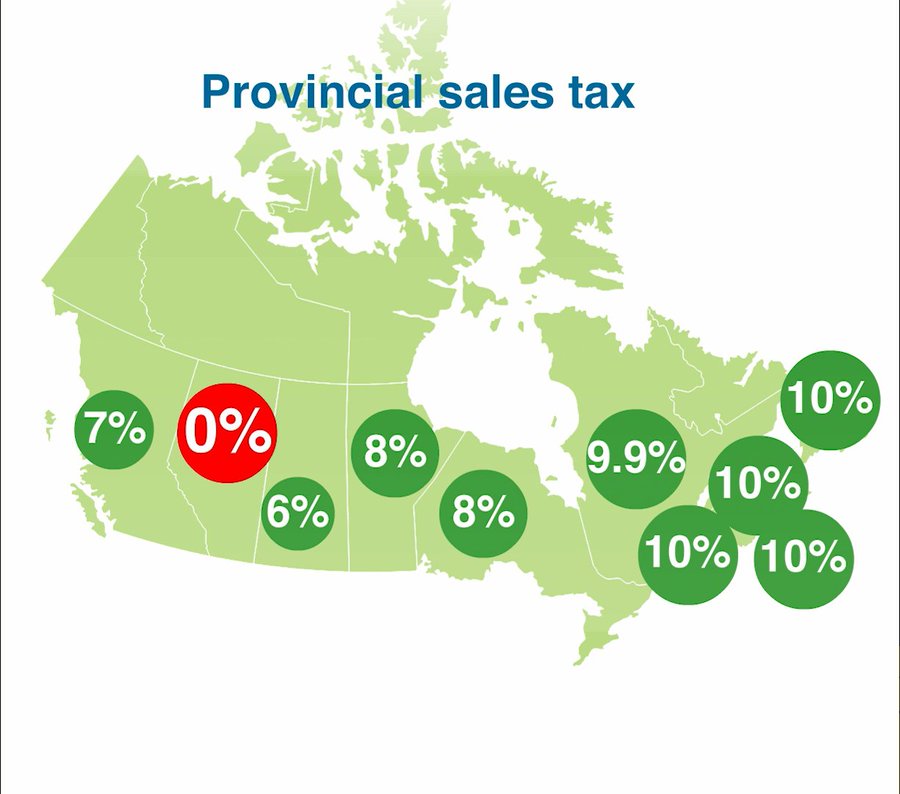
4. No Provincial Sales Tax (PST)

In Alberta, you only pay 5% GST — no provincial sales tax.

That means:

  • Cheaper everyday purchases

  • Lower renovation and furnishing costs

  • Lower overall lifestyle expenses


5. Strong Job Market & Diverse Economy

Calgary’s economy is growing and diversifying beyond oil and gas into:

  • Technology

  • Finance

  • Agriculture

  • Logistics

This creates strong employment opportunities and long-term career growth.


6. Higher Income vs Cost of Living Balance

Many residents earn higher incomes relative to living costs compared to other major cities.
For example, median household income in Calgary is significantly higher than Toronto in some data comparisons.

This means better purchasing power and financial stability.


7. Great Place for Real Estate Investment

Calgary real estate continues to attract investors because:

  • Lower entry price reduces risk

  • Strong rental demand from newcomers and workers

  • Long-term price growth potential


8. Family-Friendly Lifestyle

Calgary offers:

  • Excellent schools

  • Safe communities

  • Clean environment

  • Strong recreation programs

It’s one of the easiest major cities in Canada to raise a family.


9. Nature + City Life Together

You get big city amenities while being:

  • 1 hour from the Rocky Mountains

  • Close to world-class skiing and hiking

  • Surrounded by nature and outdoor lifestyle

This is something very few major cities in the world can offer.


10. Long-Term Growth & Opportunity

Calgary continues to grow in population and economic opportunity.
Many Canadians are moving here looking for affordability, lifestyle, and career potential — which also supports real estate value long-term.


Why This Matters If You’re Planning to Move to Calgary

Moving to a new city is a big decision — financially and emotionally.

Calgary gives many people something rare:
✅ Affordable home ownership
✅ Strong job opportunities
✅ High quality of life
✅ Long-term investment potential


Thinking About Moving to Calgary?

If you’re planning to move to Calgary — whether you’re buying, selling, or investing — I’m here to help you make confident, informed decisions. I don’t just look at houses.
I help you understand true long-term value so you can build your future safely.

Clara Nguyen - Calgary Realtor (778 836 2495)

Sources: Internet

Read

Essential Winter Maintenance for Your Calgary Home

Preparing your home for the harsh Calgary winter is crucial for safety, efficiency, and preventing costly damage. This guide outlines three vital seasonal tasks, tips to help you protect your investment.

Key Takeaways

  • Proactive maintenance prevents breakdowns: Addressing potential issues before extreme cold hits can prevent expensive mid-winter emergencies.

  • Heating system efficiency is key: Regular maintenance ensures your furnace or boiler runs optimally, saving on energy bills and keeping your home safe and warm.

  • Insulation protects plumbing: Insulating exposed pipes and sealing drafts are critical steps to avoid catastrophic frozen and burst pipes, a common winter hazard in Alberta.

  • Chimney safety: Annual inspection and cleaning of chimneys and flues are mandatory to prevent fire hazards and carbon monoxide leaks.

  • Test safety devices: Always ensure smoke and carbon monoxide detectors have working batteries with increased furnace usage.

  • Know your shut-off: Locate and learn how to use your main water shut-off valve in case of a plumbing emergency.

1. Heating System Maintenance

The winter season puts significant strain on your heating system, making it essential to ensure it runs efficiently and safely.

  • Schedule a professional inspection: Book an annual inspection with a qualified HVAC technician before winter to check components like the heat exchanger, gas pressure, and safety switches.

  • Change filters regularly: Dirty filters restrict airflow, forcing your system to work harder and increasing the risk of overheating. Check them monthly and replace them every 1-3 months.

  • Test your thermostat: Ensure your thermostat is functioning correctly and consider upgrading to a programmable or smart thermostat to optimize energy usage and remotely monitor your home's temperature.

  • Ensure clear airflow: Make sure all supply and return air vents are open, clean, and not blocked by furniture or debris.

2. Winterizing Pipes and Plumbing

Freezing temperatures can cause pipes to burst, leading to significant and costly water damage.

  • Insulate exposed pipes: Add foam pipe sleeves or UL-listed heat tape to pipes in unheated areas like crawl spaces, garages, or basements.

  • Seal air leaks: Use caulk and weatherstripping to seal any gaps or cracks around windows, doors, or utility penetrations that allow cold air to reach pipes.

  • Open cabinets: For plumbing in exterior walls, open kitchen and bathroom cabinet doors during extreme cold to allow warm indoor air to circulate around the pipes.

  • Disconnect outdoor hoses: Disconnect and drain all garden hoses and ensure outdoor water supply lines (hose bibs) are shut off from the inside to prevent freezing.

  • Know the main shut-off: Learn where your main water shut-off valve is located (usually in the basement near the water meter) and how to turn it off in an emergency.

3. Chimney and Fireplace Inspection and Cleaning

If you have a chimney and fireplace, it is important to have them inspected and cleaned before the winter season fully settles in to prevent fire hazards.

  • Hire a professional sweep: Chimney sweeping is best left to professionals, who can ensure a full and proper clean.

  • Annual inspection: Have your chimney inspected at least once a year, particularly if you use your fireplace regularly. Inspections check the lining, firebox, and flue damper for damage, wear, or debris.

  • Check for obstructions: Ensure the chimney flue is clear of any obstructions or animal nests so that hazardous combustion fumes can vent properly.

  • Install a spark arrestor: A spark arrestor on top of the chimney can prevent embers from escaping and igniting your roof or nearby flammable materials.

By taking these proactive maintenance steps, you can help ensure your home is ready to withstand the harsh Calgary winter, keeping your family safe and comfortable.

Would you like more information on local professional services in Calgary for these maintenance tasks?

Read
Data is supplied by Pillar 9™ MLS® System. Pillar 9™ is the owner of the copyright in its MLS®System. Data is deemed reliable but is not guaranteed accurate by Pillar 9™.
The trademarks MLS®, Multiple Listing Service® and the associated logos are owned by The Canadian Real Estate Association (CREA) and identify the quality of services provided by real estate professionals who are members of CREA. Used under license.