RSS

Hillhurst Calgary Community Guide (2026)

Hillhurst – Inner-City Character With Long-Term Value

Hillhurst is one of Calgary’s most established inner-city communities, located directly across the Bow River from downtown. Known for its character homes, infill redevelopment, and walkable access to Kensington, it blends lifestyle with long-term property strength.

Here’s the breakdown.

1️⃣ What Hillhurst Is Known For

• Historic inner-city community (est. early 1900s)
• Steps to Kensington retail district
• Bow River + pathway access
• Mix of heritage homes + modern infills
• Close to downtown core
• Strong redevelopment activity

Hillhurst is location-driven and lifestyle-connected.

2️⃣ Demographics Snapshot (City of Calgary – 2021 Census)

• Population: ~6,000+
• Mix of owners and renters
• Smaller household sizes
• Highly educated population
• Professional demographic

Hillhurst attracts professionals, young families, and long-term inner-city homeowners.

3️⃣ 2026 Real Estate Snapshot

Housing Mix:
• Detached character homes
• Modern semi-detached infills
• Townhomes
• Low- to mid-rise apartments

Detached Homes:
• ~$900,000 – $1.5M+ (lot + renovation level dependent)

Semi-Detached / Infill:
• ~$700,000 – $1.1M

Townhomes:
• ~$500,000 – $800,000

Apartments:
• ~$300,000 – $600,000+

Rental Demand:
• Strong due to downtown proximity
• Popular with professionals

Hillhurst is primarily a land + infill-driven market.

4️⃣ What Makes Hillhurst Unique

🌊 Bow River Access
Immediate access to pathways + Prince’s Island Park.

🏡 Character + Redevelopment Blend
Historic homes mixed with modern luxury infills.

🛍 Kensington Adjacency
Walk to restaurants, cafes, shops.

🚶 Walkable to Downtown
Urban access without high-rise density.

Hillhurst offers inner-city living with more residential feel than downtown.

5️⃣ Buyer Advantages

✔ Premium inner-city location
✔ Strong redevelopment potential
✔ High resale demand
✔ Lifestyle + proximity balance
✔ Attractive to professionals

6️⃣ Trade-Offs to Consider

⚠ Higher price per square foot
⚠ Limited parking in older areas
⚠ Floodplain considerations near river
⚠ Older homes may require renovation

Buyers should review lot elevation + flood maps carefully.

7️⃣ Who Should Buy in Hillhurst?

✔ Urban professionals
✔ Buyers wanting detached inner-city homes
✔ Infill home buyers
✔ Long-term equity-focused buyers

Not ideal for:

❌ Entry-level budget buyers
❌ Buyers wanting new master-planned suburban communities

8️⃣ Final Takeaway

Hillhurst is one of Calgary’s most established and desirable inner-city communities.

You buy Hillhurst for:

• Location
• Character
• Redevelopment upside
• Downtown access

It’s refined, walkable, and consistently in demand.

For strategic advice on buying, selling, or rental investments in Calgary, connect with Clara Nguyen – Calgary Realtor today at 778 836 2495.

Data Sources:
City of Calgary Community Profile (2021 Census), Statistics Canada 2021 Census, CREB® Monthly Housing Reports (2026), CMHC Rental Market Report (latest edition), Calgary Flood Hazard Mapping.

Read

Varsity Calgary Community Guide (2026)

Varsity – Established NW Living With Education & Stability

Varsity is one of Northwest Calgary’s most established and sought-after communities. Known for its proximity to the University of Calgary, strong schools, mature streets, and consistent property values, it remains a top choice for families and long-term buyers.

Here’s the breakdown.

1️⃣ What Varsity Is Known For

• Established NW community (1960s–1970s development)
• Close to University of Calgary
• Strong public + Catholic school access
• Large lots + mature tree-lined streets
• Market Mall & Foothills Medical Centre nearby
• High long-term ownership rate

Varsity is location-driven and stability-focused.

2️⃣ Demographics Snapshot (2021 Census – City of Calgary)

• Population: ~12,000+
• Higher ownership rate than renter-heavy communities
• Mix of families, professionals, retirees
• Strong post-secondary education levels
• Mature household profile

Varsity attracts buyers looking for long-term residence, not short-term turnover.

3️⃣ 2026 Real Estate Snapshot

Housing Mix (Census Profile)

• Primarily detached homes
• Some townhomes + villa-style developments
• Limited apartment inventory compared to inner city

Detached Homes:
• Typical range: ~$800,000 – $1,100,000+
• Larger lots (50–60 ft common)

Townhomes:
• ~$450,000 – $650,000

Apartments:
• Limited inventory
• Some buildings near Market Mall + U of C

Rental Demand:
• Moderate
• Stronger near university edges of community

Varsity is primarily a detached, owner-occupied community.

4️⃣ What Makes Varsity Unique

🎓 Education Cluster
• University of Calgary nearby
• Sir Winston Churchill High School catchment
• Strong elementary + junior high options

🏥 Institutional Proximity
• Foothills Medical Centre
• Alberta Children’s Hospital
• University research facilities

🛍 Established Amenities
• Market Mall
• Varsity Community Association
• Parks + pathways

🌳 Mature Streets + Renovation Upside
• Large lots
• Strong renovation & infill interest in select pockets

Varsity is strategically positioned near education, healthcare, and shopping hubs.

5️⃣ Buyer Advantages

✔ Established long-term community
✔ Large lot sizes
✔ Strong school reputation
✔ Consistent resale demand
✔ Renovation & modernization upside

6️⃣ Trade-Offs to Consider

⚠ Older homes (renovation budget likely required)
⚠ Higher entry price vs newer NW suburbs
⚠ Limited modern new-build inventory
⚠ Some traffic near major corridors

Buyers should factor in updating costs.

7️⃣ Who Should Buy in Varsity?

✔ Families prioritizing education
✔ Healthcare & university professionals
✔ Buyers seeking established NW stability
✔ Long-term equity-focused homeowners

Not ideal for:

❌ Buyers wanting brand-new suburban builds
❌ High-rise condo lifestyle seekers

8️⃣ Final Takeaway

Varsity is one of Northwest Calgary’s most strategically located and consistently stable communities.

You buy Varsity for:

• Schools
• Proximity to institutions
• Lot size
• Long-term value retention

This is mature NW Calgary living at its most dependable.

For strategic advice on buying, selling, or rental investments in Calgary, connect with Clara Nguyen – Calgary Realtor today at 778 836 2495.

📊 Data Sources Used

• City of Calgary Community Profile (2021 Census – Statistics Canada)
• CREB® Calgary Monthly Housing Statistics (2026 benchmarks, city-wide property types)
• Market-informed NW detached pricing trends (based on current sales patterns)
• City of Calgary Census (Median Rent Data)
• CMHC Rental Market Report (latest Calgary CMA data)
• Calgary Board of Education (CBE)
• Calgary Catholic School District (CCSD)
• University of Calgary
• Alberta Health Services facility locations

Image source: Internet

Read

Brentwood Calgary Community Guide (2026)

Is Brentwood One of Calgary’s Most Stable NW Communities?

Brentwood is one of Northwest Calgary’s most established and respected communities. Known for strong schools, large lots, and proximity to the University of Calgary, it continues to attract families and long-term investors.

Here’s the breakdown.

1️⃣ What Brentwood Is Known For

• Established NW community (mainly 1960s–1970s development)
• Walking distance to University of Calgary
• Strong public school reputation
• Large, mature lots
• Brentwood CTrain Station access
• Consistent long-term demand

Brentwood is land-focused and education-driven.

2️⃣ Demographics Snapshot (City of Calgary Census 2021)

• Population: ~7,500
• Higher ownership rate than many inner communities
• Mix of families + university-affiliated households
• Strong post-secondary education background
• Stable, long-term residents

This is a mature, family-oriented neighbourhood.

3️⃣ 2026 Real Estate Snapshot

Housing Type Mix:
• Primarily detached homes
• Limited townhouses
• Very limited apartment inventory

Detached Homes:
• Typical price range: ~$750,000 – $1,000,000+
• Large lots (often 50–60 ft frontage)

Townhouses:
• ~$400,000 – $600,000 (limited supply)

Apartments:
• Smaller segment
• Strong rental interest from students

Rental Demand:
• Strong due to University of Calgary proximity
• Basement suites common investment strategy

Brentwood is a detached-home dominant market.

4️⃣ What Makes Brentwood Unique

🎓 University Proximity
Walking access to U of C drives consistent rental and resale demand.

🏫 Strong School Access
• Brentwood Elementary
• Sir Winston Churchill High School (well-known academic reputation)

🚉 Transit Access
• Brentwood CTrain Station
• Easy access to Crowchild Trail & downtown

🌳 Lot Size + Redevelopment Potential
Large lots offer renovation or infill opportunity.

This is one of NW Calgary’s most strategically located communities.

5️⃣ Buyer Advantages

✔ Established neighbourhood stability
✔ Large lots
✔ Basement suite income potential
✔ Strong school appeal
✔ Long-term appreciation track record

6️⃣ Trade-Offs to Consider

⚠ Older housing stock (renovation costs likely)
⚠ Higher entry price vs newer NW suburbs
⚠ Some traffic noise near major roads
⚠ Limited modern new-build inventory

Buyers should budget for updates.

7️⃣ Who Should Buy in Brentwood?

✔ Families prioritizing education
✔ Buyers planning long-term ownership
✔ Investors targeting student rentals
✔ Buyers comfortable renovating older homes

Not ideal for:

❌ Buyers wanting brand-new suburban builds
❌ Condo-focused urban lifestyle buyers

8️⃣ Final Takeaway

Brentwood is a land-driven, education-centered community with proven stability.

You buy Brentwood for:

• Lot size
• School access
• University proximity
• Long-term value

This is one of Northwest Calgary’s most dependable neighbourhoods.

For strategic advice on buying, selling, or rental investments in Brentwood Calgary, connect with Clara Nguyen – Calgary Realtor today at 778 836 2495.

Source:

City of Calgary Community Profile (2021 Census)
CREB Monthly Housing Report (latest month)
CMHC Rental Market Report (latest year)

Image: internet

Read

Beltline Calgary Community Guide (2026)

Is Beltline the Best Urban Community in Calgary?

If you want true downtown living in Calgary, Beltline is the benchmark. It’s the city’s densest condo district, nightlife hub, and one of the most active rental markets. But it’s also one of the most misunderstood communities.

Here’s a clear breakdown:

1️⃣ What Beltline Is Known For

• Calgary’s highest-density residential community
• Primarily condo living (very few detached homes)
• 17th Ave SW nightlife and restaurant corridor
• Walking distance to downtown offices
• One of the most renter-heavy communities (~75%)

This is not suburban Calgary. This is city energy.

2️⃣ Demographics Snapshot

• Population: ~25,000+
• Majority renters
• Smaller households (singles & couples)
• High percentage of professionals
• Car-optional lifestyle

If you want space and quiet streets, this may not be your fit.
If you want convenience and vibrancy, it’s strong.

3️⃣ 2026 Real Estate Price Overview

Primarily condo-driven market.

Apartment Condos:
~$280,000 – $450,000 (luxury units higher)

Townhomes (limited supply):
~$500,000 – $700,000+

Detached Homes:
Rare to nonexistent

Rental Rates:
~$1,700 – $2,400/month (1–2 bedroom range)

👉 Beltline is one of the most affordable ways to live near downtown Calgary.

4️⃣ What Makes Beltline Different From Other Communities

This is where it separates from Mission, Kensington, Inglewood, etc.

🔥 17th Avenue SW

Calgary’s most recognizable dining and nightlife corridor.
Patios, bars, restaurants, fitness studios — high activity year-round.

🏢 Condo Density

Beltline has the most high-rise inventory in Calgary.
This creates:
• High liquidity
• Active resale market
• Strong rental turnover

🚶 True Walkability

• Grocery stores within blocks
• Downtown offices walkable
• Transit access
• River pathways minutes away

Few Calgary communities allow you to realistically live without a car.

🎉 Stampede Impact

During Calgary Stampede, Beltline becomes one of the most active areas in the city.

5️⃣ Buyer Advantages

✔ Entry-level downtown ownership
✔ Strong rental demand
✔ Easy to resell in balanced markets
✔ Lifestyle-focused living
✔ Strong long-term urban growth potential

6️⃣ Risks & Considerations

Beltline is a smart-buy community, not an emotional buy.

⚠ Condo Fees
High-rise buildings often mean higher monthly fees.

⚠ Special Assessments
Older buildings (1960–1990 era especially) must be reviewed carefully.

⚠ Market Sensitivity
Condos fluctuate more than detached homes during buyer markets.

⚠ Parking
Not all units include titled parking.

⚠ Crime Rate
Higher than suburban family communities.

7️⃣ Who Should Buy in Beltline?

✔ First-time buyers
✔ Investors
✔ Downtown professionals
✔ Buyers prioritizing lifestyle over land

Not ideal for:
❌ Families wanting large yards
❌ Buyers uncomfortable with condo boards & governance

8️⃣ Investor Insight

Beltline performs best when:

• You buy in well-managed buildings
• You secure parking + storage
• You focus on 1–2 bedroom layouts
• You negotiate aggressively in condo-heavy markets

It is one of Calgary’s most liquid rental zones — but building selection matters more than community selection.

Final Takeaway

Beltline isn’t Calgary’s “best” community.

It’s Calgary’s most urban community.

If you value:
Energy
Walkability
Rental demand
Downtown proximity

It’s difficult to beat.

If you value:
Space
Quiet
Family schools
Long-term detached appreciation

For strategic advice on buying, selling, or rental investments in Calgary, connect with Clara Nguyen – Calgary Realtor today at 778 836 2495.

Read

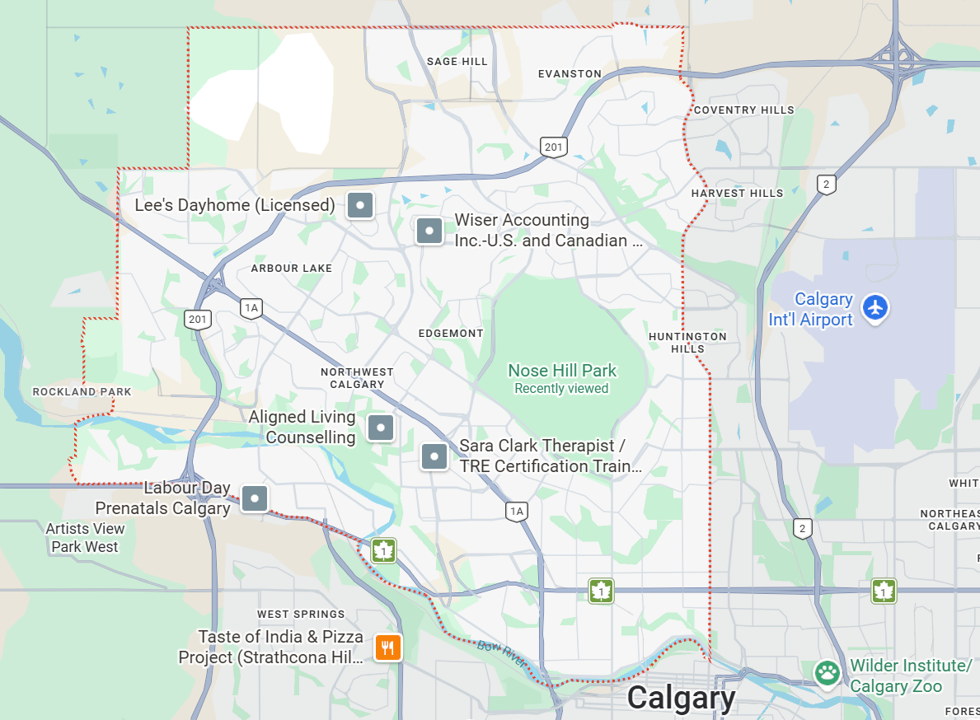
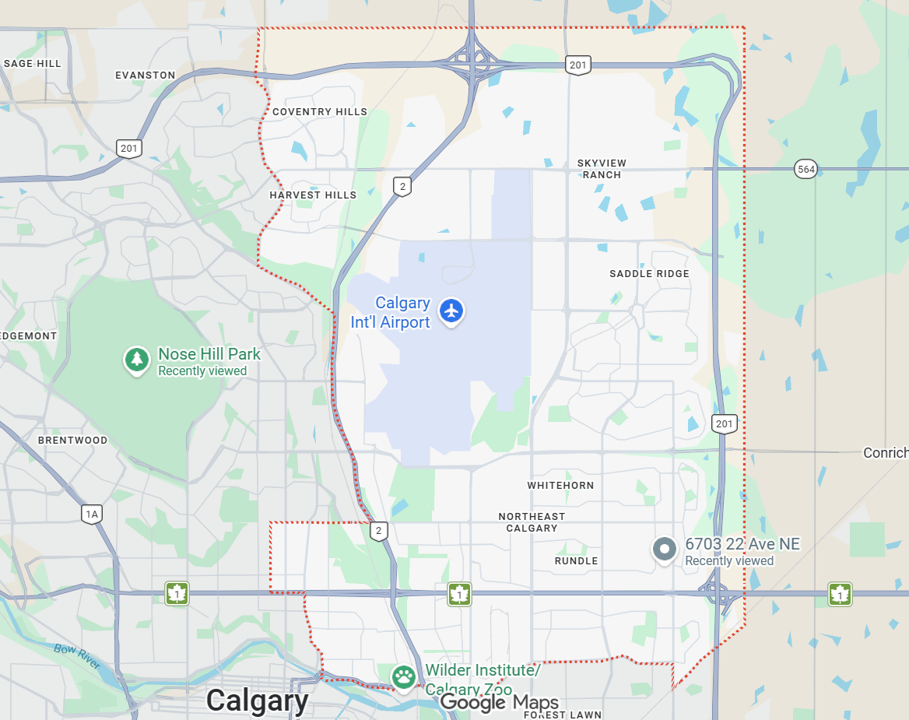
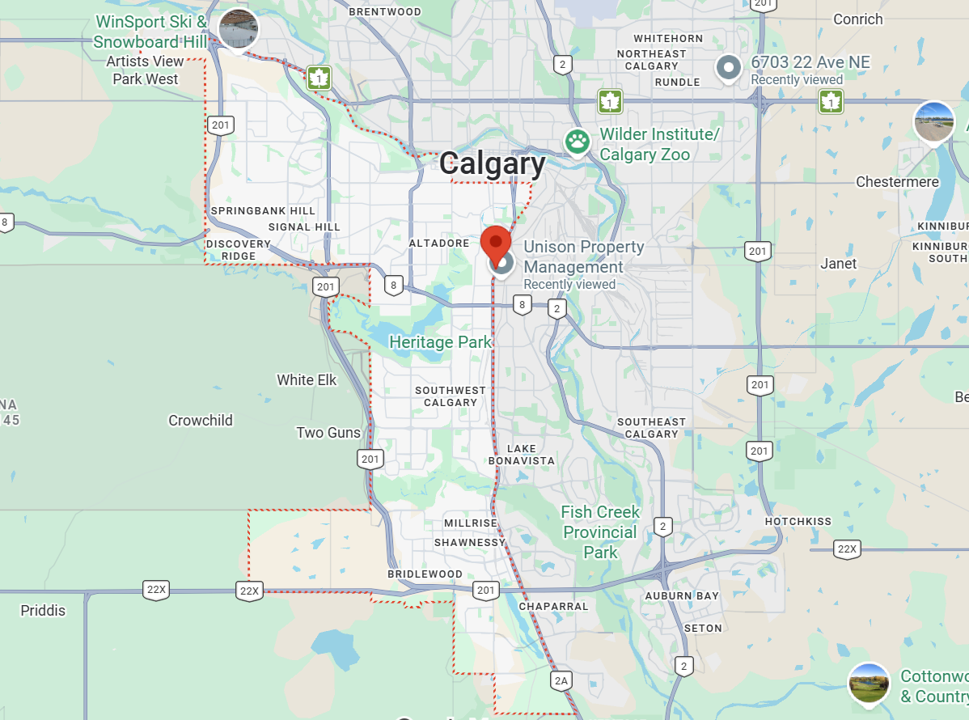
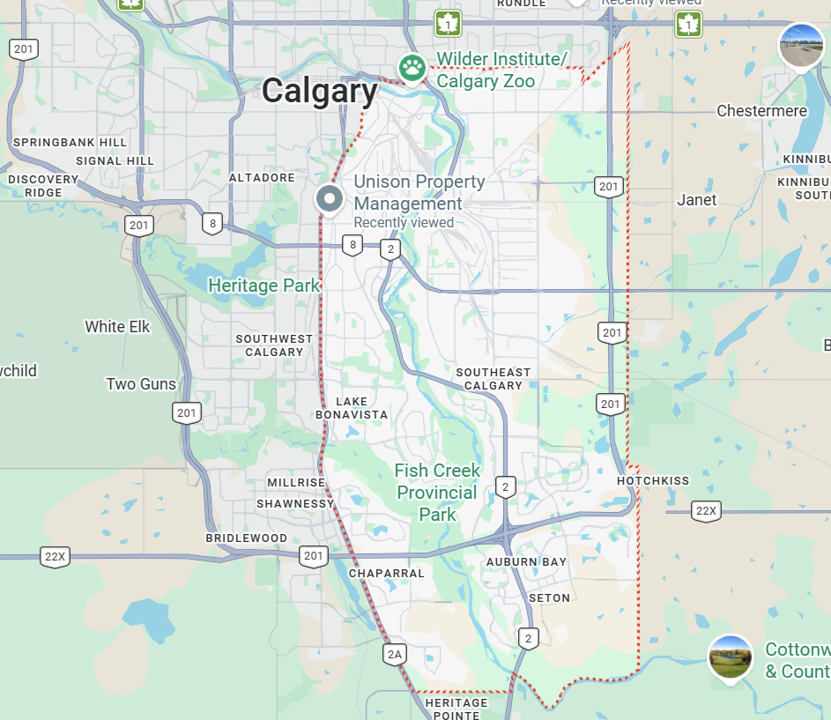
A Buyer’s Guide to Choosing Where to Live in Calgary 2026

If you’re buying a home in Calgary, choosing the right quadrant is one of the fastest ways to narrow down neighbourhoods that match your budget, commute, and lifestyle. Calgary is commonly organized into NW, NE, SW, and SE (you’ll even see it in addresses like “Ave NW” or “St SE”).

Let’s do some comparison here.

Quick market snapshot (prices by area)

Real estate stats are usually tracked by districts (City Centre, North East, North West, West, South, South East, etc.) rather than “SW quadrant” as one single bucket. Still, these numbers give you a reliable feel for relative price pressure across the city:

  • North West (NW district): benchmark around $615,000

  • North East (NE district): benchmark around $473,200

  • South East (SE district): benchmark around $545,800

  • City Centre / West / South (big parts of SW): ~$554,500 / $684,300 / $556,800 respectively

How to read that: NW and SW (especially “West”) tend to price higher; NE tends to be more budget-friendly; SE often sits in the middle with lots of family-oriented options.

Northwest Calgary (NW): “Education + Outdoors + Established Family Areas”

Best fit for: families, professionals, long-term owners, buyers who want parks + schools + a wide range of housing.

What buyers love

  • Strong neighbourhood mix: from established communities to newer NW builds, often with good access to parks and pathways.

  • Lifestyle: easy access to big green spaces (e.g., Nose Hill area vibe) and plenty of “everyday convenience” shopping, schools, recreation.

  • Resale strength: NW is often a “safe bet” for long-term livability and demand (reflected in higher benchmark pricing).

Watch-outs

  • Price point: NW benchmark pricing is higher than NE and SE, so you may trade space for location/features.

  • Commute differences: NW is large—your commute can vary a lot depending on whether you’re inner NW vs far NW. (Always test-drive the route at rush hour.)

Smart buyer tip

  • Use Calgary’s community profiles to compare demographics, housing type, and household stats by specific community—not just “NW.”

Northeast Calgary (NE): “Value + Diversity + Airport/Logistics Access”

Best fit for: first-time buyers, value-focused families, investors looking for affordability, buyers who want access to the airport or major routes.

What buyers love

  • Affordability: NE district benchmark pricing is typically among the lowest in Calgary, which can mean a lower entry point for ownership.

  • Convenience for travel & industry: many NE areas benefit from proximity to major roads and the airport/industrial employment hubs (depending on the exact community).

  • Culture & food: NE is known for diverse local businesses and restaurants—often a big lifestyle win.

Watch-outs

  • Neighbourhood-by-neighbourhood variance: NE ranges from older pockets to newer master-planned communities. Condition, lot sizes, and long-term maintenance needs vary widely—get a strong inspection.

  • Perception vs reality: some buyers over-generalize NE. Use data (and street-level tours) rather than reputation.

Smart buyer tip

  • If safety stats matter to you, rely on the Calgary Police Service community dashboard for current, map-based incident trends by community.

Southwest Calgary (SW): “Inner-City + Prestige + Mature Neighbourhoods”

Best fit for: buyers prioritizing commute, inner-city lifestyle, mature trees/character homes, or premium west-side living.

What buyers love

  • Lifestyle variety: SW includes a lot of Calgary’s inner-city energy (and many established neighbourhoods), plus higher-end west-side options.

  • Commute advantages (often): many SW communities offer quicker access to downtown, major routes, and established amenities—depending on where you are.

  • Premium pockets: the “West” district benchmark is one of the highest in the city, reflecting stronger pricing in many west/SW-adjacent areas.

Watch-outs

  • Price spread is huge: SW can mean anything from condo living closer in to luxury west-side pricing. Expect bigger swings in what you get for the money.

  • Older housing realities: inner SW often means older homes—budget for upgrades (windows, roof, electrical, sewer scope where relevant).

Smart buyer tip

  • If schools are a deciding factor, check designations before you buy. CBE lets you search by address to see designated schools and programs.

Southeast Calgary (SE): “Family Communities + New Builds + Lifestyle Amenities”

Best fit for: growing families, buyers who want newer homes, buyers seeking community amenities (often parks/lakes), and balanced value.

What buyers love

  • Balanced pricing: SE benchmark pricing often lands between NE and NW/SW pricing (varies by community).

  • Newer community feel in many areas: lots of SE neighbourhoods have newer housing stock, modern layouts, and master-planned amenities.

  • Easy day-to-day living: many SE areas are designed around schools, shopping nodes, and community recreation.

Watch-outs

  • Commute planning: SE is large—your drive time can change dramatically depending on whether you’re closer-in or far SE.

  • New community “extras”: some areas have HOA/amenity fees (varies by neighbourhood). Always confirm monthly costs before removing conditions.

Smart buyer tip

  • If you want a “facts-first” comparison of communities, use the City’s tools: community profiles and boundary maps help you confirm exactly what’s included in an area.

How to choose the right quadrant (simple decision framework)

Pick your top 2 priorities and let them decide the quadrant shortlist:

  • Budget-first? Start in NE, then compare value options in SE.

  • Commute / inner-city lifestyle? Explore SW (and nearby City Centre pockets).

  • Schools + parks + “settle in for 10 years”? Shortlist NW and family-friendly SE areas.

  • Safety data matters? Use CPS community-level dashboards rather than assumptions.

Final takeaway

There isn’t one “best” quadrant in Calgary—there’s only the best fit for your budget, commute, and lifestyle. The smartest buyers narrow down a quadrant first, then compare specific communities using data (prices, school designations, and community profiles) before touring homes.

If you want, tell me your budget range + where you commute (downtown, airport, SE industrial, remote, etc.) and I’ll suggest a tight shortlist of communities in each quadrant that match your goals.

CLARA NGUYEN - 778 836 2495 - Your Calgary Realtor!

Reference source: CREB and internet

Read

HOW MANY COMMUNITIES IN CALGARY IN 2026?

While the exact number changes as new ones are established, Calgary had around 206 communities by late 2023, with growth continuing into 2025, represented on detailed maps by organizations like CREB (Calgary Real Estate Board) and real estate sites, showing diverse areas from urban to suburban.

  • Official Count: The City of Calgary Newsroom reported 206 communities in 2023, up from 197 in 2016, with more added between 2015-2019.

  • Continuous Growth: Calgary is a growing city, so the number of official communities (defined by the city) increases as new developments are built and recognized.

Read

Why So Many People Are Moving to Calgary — And Why It’s Not for Everyone

Calgary sits on the edge of the Rocky Mountains in western Canada, and every day, new people choose to call this city home. With Canada’s population growing rapidly, Calgary has become a top destination for newcomers, professionals, and families—but it’s important to know that this city isn’t a perfect fit for everyone.

Calgary is one of Canada’s largest cities, yet it still offers a balance that’s hard to find elsewhere: big-city opportunity with a strong sense of community. It’s a multicultural city where diversity is celebrated through food, festivals, and local communities, making it welcoming for people from all backgrounds.

A Strong and Evolving Economy

While Calgary is historically known for energy, today’s economy is far more diversified. Technology, logistics, construction, healthcare, and clean energy are all growing sectors. Job opportunities continue to expand, and Calgary consistently ranks among Canadian cities with the highest household incomes. For people who are adaptable and willing to grow, Calgary offers real career potential.

Housing That’s Still Within Reach

One of Calgary’s biggest advantages is affordability. Compared to cities like Toronto and Vancouver, home prices are significantly lower, and homeownership is still realistic for many families. A steady housing supply and less speculation help keep the market balanced, which is why many renters here still believe owning a home is achievable.

Lifestyle, Nature, and Weather Reality

Calgary is Canada’s sunniest major city and offers incredible access to nature. World-class hiking, skiing, golf courses, and national parks are less than an hour away. Within the city, large parks, river pathways, and green spaces make it easy to stay active year-round.

That said, the weather can be unpredictable. Chinook winds can bring sudden warm spells in winter, while temperature swings are common. If you prefer consistent weather, this may take some adjustment.

Not a 24/7 City — And That’s Okay

Calgary doesn’t move at the same pace as cities like Toronto or Vancouver. It’s quieter, more relaxed, and family-oriented. Still, the city continues to invest heavily in downtown revitalization, entertainment venues, sports facilities, and cultural attractions, including the world-famous Calgary Stampede.

Is Calgary Right for You?

Calgary is ideal for people who value opportunity, affordability, outdoor living, and long-term stability. It may not suit those looking for nonstop nightlife or a high-density urban lifestyle—but for many, it offers a better quality of life and a stronger financial future.

If you’re considering a move to Calgary or want to understand the local housing market better, getting the right information early can make all the difference.

Contact me at Clara Nguyen - 778 836 2495 for more detail.

Read

Top 10 Reasons Why Calgary Is One of the Best Cities to Live In (2026 Guide)

If you’re thinking about moving to Canada — or moving within Canada — Calgary continues to stand out as one of the best cities to live, work, and raise a family.

From affordability to lifestyle, Calgary offers a rare balance that many major cities can’t match. Here are the top 10 reasons why more people are choosing Calgary as their new home — and why it might be the right move for you too.


1. World-Class Quality of Life

Calgary is consistently ranked among the most livable cities in the world. In 2024, it ranked 5th most livable city globally and #1 in North America, scoring highly in healthcare, education, stability, and infrastructure.

This means safer communities, strong public services, and a stable environment for families and professionals.


2. More Affordable Housing Than Major Canadian Cities

Housing is one of the biggest reasons people move to Calgary.

  • Average home prices are significantly lower than Toronto or Vancouver

  • Calgary benchmark price around ~$571K vs. often double in Toronto/Vancouver

  • Some markets show Toronto homes costing 150%+ more than Calgary

For many buyers, this means you can own a home sooner and get more space for your money.


3. Lower Overall Cost of Living

Calgary has one of the lowest costs of living among major Canadian cities.

You may also spend:

  • Less on housing and rent

  • Less on dining and entertainment

  • Less on daily transportation

Compared to Toronto, overall living costs can be about 8–9% cheaper.


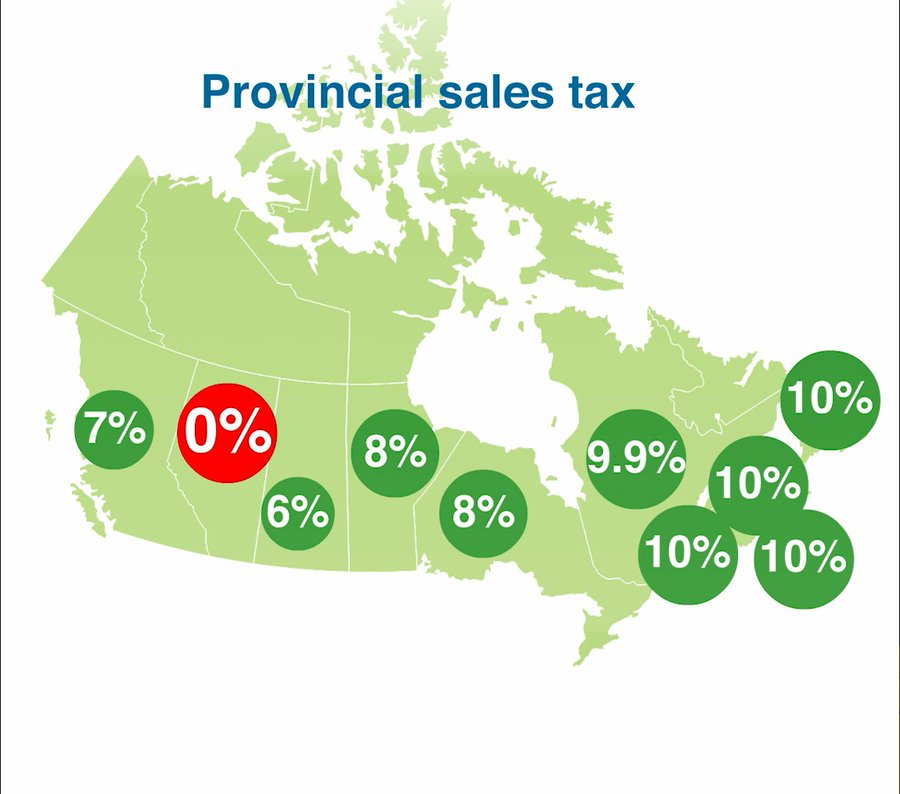
4. No Provincial Sales Tax (PST)

In Alberta, you only pay 5% GST — no provincial sales tax.

That means:

  • Cheaper everyday purchases

  • Lower renovation and furnishing costs

  • Lower overall lifestyle expenses


5. Strong Job Market & Diverse Economy

Calgary’s economy is growing and diversifying beyond oil and gas into:

  • Technology

  • Finance

  • Agriculture

  • Logistics

This creates strong employment opportunities and long-term career growth.


6. Higher Income vs Cost of Living Balance

Many residents earn higher incomes relative to living costs compared to other major cities.
For example, median household income in Calgary is significantly higher than Toronto in some data comparisons.

This means better purchasing power and financial stability.


7. Great Place for Real Estate Investment

Calgary real estate continues to attract investors because:

  • Lower entry price reduces risk

  • Strong rental demand from newcomers and workers

  • Long-term price growth potential


8. Family-Friendly Lifestyle

Calgary offers:

  • Excellent schools

  • Safe communities

  • Clean environment

  • Strong recreation programs

It’s one of the easiest major cities in Canada to raise a family.


9. Nature + City Life Together

You get big city amenities while being:

  • 1 hour from the Rocky Mountains

  • Close to world-class skiing and hiking

  • Surrounded by nature and outdoor lifestyle

This is something very few major cities in the world can offer.


10. Long-Term Growth & Opportunity

Calgary continues to grow in population and economic opportunity.
Many Canadians are moving here looking for affordability, lifestyle, and career potential — which also supports real estate value long-term.


Why This Matters If You’re Planning to Move to Calgary

Moving to a new city is a big decision — financially and emotionally.

Calgary gives many people something rare:
✅ Affordable home ownership
✅ Strong job opportunities
✅ High quality of life
✅ Long-term investment potential


Thinking About Moving to Calgary?

If you’re planning to move to Calgary — whether you’re buying, selling, or investing — I’m here to help you make confident, informed decisions. I don’t just look at houses.
I help you understand true long-term value so you can build your future safely.

Clara Nguyen - Calgary Realtor (778 836 2495)

Sources: Internet

Read
Data is supplied by Pillar 9™ MLS® System. Pillar 9™ is the owner of the copyright in its MLS®System. Data is deemed reliable but is not guaranteed accurate by Pillar 9™.
The trademarks MLS®, Multiple Listing Service® and the associated logos are owned by The Canadian Real Estate Association (CREA) and identify the quality of services provided by real estate professionals who are members of CREA. Used under license.