RSS

New property listed in Dalhousie, calgary

I have listed a new property at 5839 Dalford ROAD NW in Calgary. See details here

1 ROOM for RENT - Steps to Dalhousie LRT ✅ Walking distance to Dalhousie LRT & Shopping Centre (groceries, restaurants, daily needs) ✅ Furnished rooms (bed, desk, chair, closet) ✅ Utilities + WiFi included ✅ Monthly cleaning of common areas ✅ Newly renovated home with a beautiful backyard ✅ Safe, quiet, respectful environment – perfect for students & professionals 💲 Rent: $850/ month 📅 Lease: 1 year minimum 🚫 No pets | No smoking/drugs | No parties 📍 5839 Dalford Rd NW, Calgary Restrictions: Tenant insurance required Contact me at 778 836 2495 or email at: kcrental2025@gmail.com 👉 Message me today to book a viewing!

Read

New property listed in Brentwood, Calgary

I have listed a new property at 5116 Brisebois Dr DRIVE NW in Calgary. See details here

PRIVATE ROOM FOR RENT | SERVICED HOME | FURNISHED | UTILITIES INCLUDED 1 ROOM LEFT A clean, quiet, orderly space for single to focus on their studies and work. What’s Best About This Home + Serviced Home – Monthly common area cleaning service included + 2 bus stops right in front of the house – Direct to U of C & Dalhousie Station + Bright, spacious furnished rooms (bed, desk, chair, closet) + Utilities included + Oversized shared kitchen and washroom – new appliances, lots of storage + Each bedroom with its own lock & key Rent: $775 / month Lease Term: Minimum 1 year - No short-term rental available Restrictions: • No pets • No smoking, drugs, alcohol • No parties, no overnight guests, no couples Tenant insurance required Contact me at 778 836 2495 or email at: kcrental2025@gmail.com

Read

Hillhurst Calgary Community Guide (2026)

Hillhurst – Inner-City Character With Long-Term Value

Hillhurst is one of Calgary’s most established inner-city communities, located directly across the Bow River from downtown. Known for its character homes, infill redevelopment, and walkable access to Kensington, it blends lifestyle with long-term property strength.

Here’s the breakdown.

1️⃣ What Hillhurst Is Known For

• Historic inner-city community (est. early 1900s)
• Steps to Kensington retail district
• Bow River + pathway access
• Mix of heritage homes + modern infills
• Close to downtown core
• Strong redevelopment activity

Hillhurst is location-driven and lifestyle-connected.

2️⃣ Demographics Snapshot (City of Calgary – 2021 Census)

• Population: ~6,000+
• Mix of owners and renters
• Smaller household sizes
• Highly educated population
• Professional demographic

Hillhurst attracts professionals, young families, and long-term inner-city homeowners.

3️⃣ 2026 Real Estate Snapshot

Housing Mix:
• Detached character homes
• Modern semi-detached infills
• Townhomes
• Low- to mid-rise apartments

Detached Homes:
• ~$900,000 – $1.5M+ (lot + renovation level dependent)

Semi-Detached / Infill:
• ~$700,000 – $1.1M

Townhomes:
• ~$500,000 – $800,000

Apartments:
• ~$300,000 – $600,000+

Rental Demand:
• Strong due to downtown proximity
• Popular with professionals

Hillhurst is primarily a land + infill-driven market.

4️⃣ What Makes Hillhurst Unique

🌊 Bow River Access
Immediate access to pathways + Prince’s Island Park.

🏡 Character + Redevelopment Blend
Historic homes mixed with modern luxury infills.

🛍 Kensington Adjacency
Walk to restaurants, cafes, shops.

🚶 Walkable to Downtown
Urban access without high-rise density.

Hillhurst offers inner-city living with more residential feel than downtown.

5️⃣ Buyer Advantages

✔ Premium inner-city location
✔ Strong redevelopment potential
✔ High resale demand
✔ Lifestyle + proximity balance
✔ Attractive to professionals

6️⃣ Trade-Offs to Consider

⚠ Higher price per square foot
⚠ Limited parking in older areas
⚠ Floodplain considerations near river
⚠ Older homes may require renovation

Buyers should review lot elevation + flood maps carefully.

7️⃣ Who Should Buy in Hillhurst?

✔ Urban professionals
✔ Buyers wanting detached inner-city homes
✔ Infill home buyers
✔ Long-term equity-focused buyers

Not ideal for:

❌ Entry-level budget buyers
❌ Buyers wanting new master-planned suburban communities

8️⃣ Final Takeaway

Hillhurst is one of Calgary’s most established and desirable inner-city communities.

You buy Hillhurst for:

• Location
• Character
• Redevelopment upside
• Downtown access

It’s refined, walkable, and consistently in demand.

For strategic advice on buying, selling, or rental investments in Calgary, connect with Clara Nguyen – Calgary Realtor today at 778 836 2495.

Data Sources:
City of Calgary Community Profile (2021 Census), Statistics Canada 2021 Census, CREB® Monthly Housing Reports (2026), CMHC Rental Market Report (latest edition), Calgary Flood Hazard Mapping.

Read

Varsity Calgary Community Guide (2026)

Varsity – Established NW Living With Education & Stability

Varsity is one of Northwest Calgary’s most established and sought-after communities. Known for its proximity to the University of Calgary, strong schools, mature streets, and consistent property values, it remains a top choice for families and long-term buyers.

Here’s the breakdown.

1️⃣ What Varsity Is Known For

• Established NW community (1960s–1970s development)
• Close to University of Calgary
• Strong public + Catholic school access
• Large lots + mature tree-lined streets
• Market Mall & Foothills Medical Centre nearby
• High long-term ownership rate

Varsity is location-driven and stability-focused.

2️⃣ Demographics Snapshot (2021 Census – City of Calgary)

• Population: ~12,000+
• Higher ownership rate than renter-heavy communities
• Mix of families, professionals, retirees
• Strong post-secondary education levels
• Mature household profile

Varsity attracts buyers looking for long-term residence, not short-term turnover.

3️⃣ 2026 Real Estate Snapshot

Housing Mix (Census Profile)

• Primarily detached homes
• Some townhomes + villa-style developments
• Limited apartment inventory compared to inner city

Detached Homes:
• Typical range: ~$800,000 – $1,100,000+
• Larger lots (50–60 ft common)

Townhomes:
• ~$450,000 – $650,000

Apartments:
• Limited inventory
• Some buildings near Market Mall + U of C

Rental Demand:
• Moderate
• Stronger near university edges of community

Varsity is primarily a detached, owner-occupied community.

4️⃣ What Makes Varsity Unique

🎓 Education Cluster
• University of Calgary nearby
• Sir Winston Churchill High School catchment
• Strong elementary + junior high options

🏥 Institutional Proximity
• Foothills Medical Centre
• Alberta Children’s Hospital
• University research facilities

🛍 Established Amenities
• Market Mall
• Varsity Community Association
• Parks + pathways

🌳 Mature Streets + Renovation Upside
• Large lots
• Strong renovation & infill interest in select pockets

Varsity is strategically positioned near education, healthcare, and shopping hubs.

5️⃣ Buyer Advantages

✔ Established long-term community
✔ Large lot sizes
✔ Strong school reputation
✔ Consistent resale demand
✔ Renovation & modernization upside

6️⃣ Trade-Offs to Consider

⚠ Older homes (renovation budget likely required)
⚠ Higher entry price vs newer NW suburbs
⚠ Limited modern new-build inventory
⚠ Some traffic near major corridors

Buyers should factor in updating costs.

7️⃣ Who Should Buy in Varsity?

✔ Families prioritizing education
✔ Healthcare & university professionals
✔ Buyers seeking established NW stability
✔ Long-term equity-focused homeowners

Not ideal for:

❌ Buyers wanting brand-new suburban builds
❌ High-rise condo lifestyle seekers

8️⃣ Final Takeaway

Varsity is one of Northwest Calgary’s most strategically located and consistently stable communities.

You buy Varsity for:

• Schools
• Proximity to institutions
• Lot size
• Long-term value retention

This is mature NW Calgary living at its most dependable.

For strategic advice on buying, selling, or rental investments in Calgary, connect with Clara Nguyen – Calgary Realtor today at 778 836 2495.

📊 Data Sources Used

• City of Calgary Community Profile (2021 Census – Statistics Canada)
• CREB® Calgary Monthly Housing Statistics (2026 benchmarks, city-wide property types)
• Market-informed NW detached pricing trends (based on current sales patterns)
• City of Calgary Census (Median Rent Data)
• CMHC Rental Market Report (latest Calgary CMA data)
• Calgary Board of Education (CBE)
• Calgary Catholic School District (CCSD)
• University of Calgary
• Alberta Health Services facility locations

Image source: Internet

Read

Brentwood Calgary Community Guide (2026)

Is Brentwood One of Calgary’s Most Stable NW Communities?

Brentwood is one of Northwest Calgary’s most established and respected communities. Known for strong schools, large lots, and proximity to the University of Calgary, it continues to attract families and long-term investors.

Here’s the breakdown.

1️⃣ What Brentwood Is Known For

• Established NW community (mainly 1960s–1970s development)
• Walking distance to University of Calgary
• Strong public school reputation
• Large, mature lots
• Brentwood CTrain Station access
• Consistent long-term demand

Brentwood is land-focused and education-driven.

2️⃣ Demographics Snapshot (City of Calgary Census 2021)

• Population: ~7,500
• Higher ownership rate than many inner communities
• Mix of families + university-affiliated households
• Strong post-secondary education background
• Stable, long-term residents

This is a mature, family-oriented neighbourhood.

3️⃣ 2026 Real Estate Snapshot

Housing Type Mix:
• Primarily detached homes
• Limited townhouses
• Very limited apartment inventory

Detached Homes:
• Typical price range: ~$750,000 – $1,000,000+
• Large lots (often 50–60 ft frontage)

Townhouses:
• ~$400,000 – $600,000 (limited supply)

Apartments:
• Smaller segment
• Strong rental interest from students

Rental Demand:
• Strong due to University of Calgary proximity
• Basement suites common investment strategy

Brentwood is a detached-home dominant market.

4️⃣ What Makes Brentwood Unique

🎓 University Proximity
Walking access to U of C drives consistent rental and resale demand.

🏫 Strong School Access
• Brentwood Elementary
• Sir Winston Churchill High School (well-known academic reputation)

🚉 Transit Access
• Brentwood CTrain Station
• Easy access to Crowchild Trail & downtown

🌳 Lot Size + Redevelopment Potential
Large lots offer renovation or infill opportunity.

This is one of NW Calgary’s most strategically located communities.

5️⃣ Buyer Advantages

✔ Established neighbourhood stability
✔ Large lots
✔ Basement suite income potential
✔ Strong school appeal
✔ Long-term appreciation track record

6️⃣ Trade-Offs to Consider

⚠ Older housing stock (renovation costs likely)
⚠ Higher entry price vs newer NW suburbs
⚠ Some traffic noise near major roads
⚠ Limited modern new-build inventory

Buyers should budget for updates.

7️⃣ Who Should Buy in Brentwood?

✔ Families prioritizing education
✔ Buyers planning long-term ownership
✔ Investors targeting student rentals
✔ Buyers comfortable renovating older homes

Not ideal for:

❌ Buyers wanting brand-new suburban builds
❌ Condo-focused urban lifestyle buyers

8️⃣ Final Takeaway

Brentwood is a land-driven, education-centered community with proven stability.

You buy Brentwood for:

• Lot size
• School access
• University proximity
• Long-term value

This is one of Northwest Calgary’s most dependable neighbourhoods.

For strategic advice on buying, selling, or rental investments in Brentwood Calgary, connect with Clara Nguyen – Calgary Realtor today at 778 836 2495.

Source:

City of Calgary Community Profile (2021 Census)
CREB Monthly Housing Report (latest month)
CMHC Rental Market Report (latest year)

Image: internet

Read

Alberta Rental Laws Every Property Owner Must Know

If you’re a landlord in Alberta, understanding the Residential Tenancies Act (RTA) is not optional — it’s essential.

The Alberta Government’s official guide for landlords Information for Landlords - Alb… outlines your legal responsibilities, rights, and potential penalties. Below is a simplified, landlord-friendly breakdown of what you really need to know to protect yourself, your rental property, and your income.

1. Security Deposits: Rules You Cannot Break

This is one of the biggest areas where landlords get into trouble.

Here’s what the law requires:

  • You can only collect up to one month’s rent as a security deposit.

  • The deposit must be placed in a trust account within 2 banking days.

  • You must pay annual interest on the deposit (1.6% for 2024).

  • You must return the deposit (or statement of deductions) within 10 days of move-out.

  • You must keep deposit records for 3 years after tenancy ends.

Failing to follow these rules can result in fines up to $5,000–$10,000.

👉 Pro Tip: If you don’t complete proper inspection reports, you cannot legally deduct cleaning or damage costs.

2. Move-In & Move-Out Inspections Are Mandatory

Many landlords don’t realize this is not optional.

You must:

  • Complete a move-in inspection within 1 week before or after possession.

  • Complete a move-out inspection within 1 week before or after vacancy.

  • Include required legal statements in the report.

  • Provide copies to the tenant.

  • Keep records for 3 years.

If you skip this step, you lose the right to deduct damage costs from the deposit.

3. Rent Increases in Alberta

Alberta has no rent control on amount — but there are strict timing rules.

  • Rent can only increase once every 365 days.

  • Proper written notice is required.

  • For month-to-month tenants, you must give 3 full tenancy months’ notice.

  • You cannot increase rent during a fixed term until it expires.

Improper notice = the increase is void.

4. When Can You Enter the Rental Property?

You can enter:

Without notice:

  • In emergencies

  • If the unit is abandoned

With 24 hours written notice:

  • Repairs

  • Inspections

  • Pest control

  • Showing to buyers

  • Showing to new tenants (final month)

Entry must be between 8 AM – 8 PM, and notice must include reason, date, and time.

Failing to give proper notice can result in fines.

5. Landlord Responsibilities (You Can’t Contract Out of These)

Even if not written in the lease, you must:

  • Provide a “Notice of Landlord” within 7 days of move-in

  • Ensure the property meets Minimum Housing & Health Standards

  • Maintain heat, safety, and habitability

  • Not interfere with the tenant’s peaceful enjoyment

You cannot evict a tenant for filing health or legal complaints.

6. Ending a Tenancy: Know the Proper Notice Periods

Fixed Term

Ends automatically on the agreed date — no notice required.

Month-to-Month

  • Tenant must give 1 full month notice.

  • Landlord must give 3 full months notice.

  • 365 days notice required for condo conversion or major renovations.

14-Day Notice (Substantial Breach)

Used for serious lease violations.

24-Hour Notice

Only for:

  • Assault

  • Threats

  • Significant damage

Incorrect notice = invalid eviction.

7. What Happens If Tenant Leaves Belongings?

If goods are worth:

  • Under $2,000 → you may dispose of them.

  • Over $2,000 → must store for 30 days.

You must keep detailed records for 3 years.

8. Condominium Rentals Have Extra Rules

If you rent a condo:

  • You must notify the condo board.

  • You may have to provide a deposit to the corporation.

  • Condo bylaws override the lease agreement.

  • The condo corporation can evict tenants for bylaw violations.

9. Major Fines Landlords Should Avoid

Common offences include:

  • Not depositing security deposits properly

  • Increasing rent too soon

  • Failing to return deposit within 10 days

  • No inspection reports

  • Retaliatory eviction

  • Improper notice of entry

Maximum fines can reach $10,000 per offence.

10. Dispute Resolution in Alberta

Landlords and tenants can resolve disputes through:

Residential Tenancy Dispute Resolution Service (RTDRS)
A faster and less expensive alternative to court.

Use RTDRS for:

  • Unpaid rent

  • Security deposit disputes

  • Damages

  • Termination disputes

Final Thoughts for Calgary Landlords

Being a landlord in Alberta can be profitable — but only if you follow the rules carefully.

The biggest risks for landlords typically involve:

  • Security deposit handling

  • Improper notices

  • Incomplete inspection reports

  • Illegal rent increases

If you manage your rental property correctly from day one, you reduce risk, avoid penalties, and protect your long-term investment.

If you're a landlord in Calgary and want professional, compliant, and results-driven property management, connect with Clara Nguyen – Your Property Manager today at 778 836 2495.

Read

Beltline Calgary Community Guide (2026)

Is Beltline the Best Urban Community in Calgary?

If you want true downtown living in Calgary, Beltline is the benchmark. It’s the city’s densest condo district, nightlife hub, and one of the most active rental markets. But it’s also one of the most misunderstood communities.

Here’s a clear breakdown:

1️⃣ What Beltline Is Known For

• Calgary’s highest-density residential community
• Primarily condo living (very few detached homes)
• 17th Ave SW nightlife and restaurant corridor
• Walking distance to downtown offices
• One of the most renter-heavy communities (~75%)

This is not suburban Calgary. This is city energy.

2️⃣ Demographics Snapshot

• Population: ~25,000+
• Majority renters
• Smaller households (singles & couples)
• High percentage of professionals
• Car-optional lifestyle

If you want space and quiet streets, this may not be your fit.
If you want convenience and vibrancy, it’s strong.

3️⃣ 2026 Real Estate Price Overview

Primarily condo-driven market.

Apartment Condos:
~$280,000 – $450,000 (luxury units higher)

Townhomes (limited supply):
~$500,000 – $700,000+

Detached Homes:
Rare to nonexistent

Rental Rates:
~$1,700 – $2,400/month (1–2 bedroom range)

👉 Beltline is one of the most affordable ways to live near downtown Calgary.

4️⃣ What Makes Beltline Different From Other Communities

This is where it separates from Mission, Kensington, Inglewood, etc.

🔥 17th Avenue SW

Calgary’s most recognizable dining and nightlife corridor.
Patios, bars, restaurants, fitness studios — high activity year-round.

🏢 Condo Density

Beltline has the most high-rise inventory in Calgary.
This creates:
• High liquidity
• Active resale market
• Strong rental turnover

🚶 True Walkability

• Grocery stores within blocks
• Downtown offices walkable
• Transit access
• River pathways minutes away

Few Calgary communities allow you to realistically live without a car.

🎉 Stampede Impact

During Calgary Stampede, Beltline becomes one of the most active areas in the city.

5️⃣ Buyer Advantages

✔ Entry-level downtown ownership
✔ Strong rental demand
✔ Easy to resell in balanced markets
✔ Lifestyle-focused living
✔ Strong long-term urban growth potential

6️⃣ Risks & Considerations

Beltline is a smart-buy community, not an emotional buy.

⚠ Condo Fees
High-rise buildings often mean higher monthly fees.

⚠ Special Assessments
Older buildings (1960–1990 era especially) must be reviewed carefully.

⚠ Market Sensitivity
Condos fluctuate more than detached homes during buyer markets.

⚠ Parking
Not all units include titled parking.

⚠ Crime Rate
Higher than suburban family communities.

7️⃣ Who Should Buy in Beltline?

✔ First-time buyers
✔ Investors
✔ Downtown professionals
✔ Buyers prioritizing lifestyle over land

Not ideal for:
❌ Families wanting large yards
❌ Buyers uncomfortable with condo boards & governance

8️⃣ Investor Insight

Beltline performs best when:

• You buy in well-managed buildings
• You secure parking + storage
• You focus on 1–2 bedroom layouts
• You negotiate aggressively in condo-heavy markets

It is one of Calgary’s most liquid rental zones — but building selection matters more than community selection.

Final Takeaway

Beltline isn’t Calgary’s “best” community.

It’s Calgary’s most urban community.

If you value:
Energy
Walkability
Rental demand
Downtown proximity

It’s difficult to beat.

If you value:
Space
Quiet
Family schools
Long-term detached appreciation

For strategic advice on buying, selling, or rental investments in Calgary, connect with Clara Nguyen – Calgary Realtor today at 778 836 2495.

Read

Calgary Housing Market Shift: Migration Slowdown Signals Buyer-Friendly Conditions in 2026

After several years of strong population growth fueled by interprovincial migration, Calgary’s housing market is beginning to cool. A new outlook from the Conference Board of Canada shows a sharp decline in Canadians moving to Alberta—especially into Calgary—and the effects are already showing in local real estate.

In 2023 and 2024, Calgary welcomed more than 18,000 new residents annually from other provinces. However, that number dropped significantly in 2025 and is projected to fall further by 2030. As migration slows, housing demand is easing.

What This Means for Calgary Real Estate

  • Fewer buyers are active in the market.

  • Inventory levels are increasing.

  • Homes are taking longer to sell.

  • Multiple-offer situations are becoming rare.

  • Sales volume dropped over 14% late last year.

After years of strong seller’s market conditions, Calgary is now shifting toward a more balanced—or even buyer-friendly—market.

Why the Slowdown?

Several factors are contributing:

  • Reduced federal immigration targets

  • Economic uncertainty and U.S. tariffs

  • Rising cost of living

  • Housing affordability pressures

  • Strain on healthcare and school infrastructure

While Calgary is seeing a sharper cooling trend, Edmonton’s market remains more stable but could also soften depending on economic conditions.

What to Expect in 2026

Looking ahead, Calgary’s housing market will likely be influenced by:

  • Oil price trends

  • Economic stability

  • Migration levels

  • Interest rate movements

For buyers, this shift may create more negotiating power and improved inventory options. For sellers, pricing strategy and market positioning will become more important than ever.

Full article  is here https://calgary.citynews.ca/2026/01/06/alberta-migration-slowdown-calgary-housing/

Read

Calgary Secondary Suite Incentive Program: What Homeowners Need to Know (2026 Guide)

If you’re thinking about adding a legal secondary suite in Calgary, the City offers financial support to help offset upgrade costs. The Calgary Secondary Suite Incentive Program was created to encourage safe, code-compliant basement suites and increase affordable rental housing across the city.

Here’s what Calgary homeowners need to know before applying.

How Much Funding Can You Get?

Eligible homeowners can receive up to $10,000 to help cover the cost of required safety upgrades when developing or legalizing a secondary suite.

The funding is designed to support:

  • Fire safety improvements

  • Egress (escape) windows

  • Smoke and carbon monoxide alarms

  • Proper fire separation

  • Code-compliant exits

  • Ventilation and heating upgrades (if required)

In some cases, additional support may apply for energy-efficiency or accessibility upgrades.

Important: This incentive helps offset costs — it does not fully pay for building the suite.

Who Qualifies for the Calgary Secondary Suite Grant?

To be eligible:

  • You must own and live in the home (owner-occupied).

  • The suite must be located within the main house (typically a basement suite).

  • You must have an approved building permit before applying.

  • Work completed before application is generally not eligible.

  • Detached backyard suites are not included in this program.

Only one application per homeowner is typically allowed.

What the Incentive Actually Covers

The program focuses on making suites legal and safe under Calgary building code requirements.

Common upgrades that qualify include:

  • Enlarging basement windows for emergency exit

  • Installing interconnected smoke alarms

  • Improving fire-rated drywall or ceilings

  • Adding protected exit pathways

  • Upgrading mechanical systems if required by inspection

Funding is based on missing safety items identified during the review process.

⚠ Important Conditions to Consider

Before moving forward, homeowners should know:

  • You must apply before construction begins.

  • The suite must meet City of Calgary regulations.

  • There may be restrictions related to short-term rental licensing.

  • Funding is limited and subject to program availability.

Why This Matters for Calgary Homeowners

Adding a legal secondary suite can:

  • Increase your property value

  • Generate rental income

  • Improve mortgage qualification potential

  • Support Calgary’s housing supply

  • Make your home more marketable when selling

With Calgary’s strong rental demand, legal basement suites remain one of the most popular ways homeowners build long-term wealth.

Is Building a Secondary Suite in Calgary Worth It?

For many homeowners, yes — especially if you plan to:

  • Live in the home long term

  • Offset rising mortgage costs

  • Invest in income property

  • Help family members with independent living space

However, proper budgeting, permitting, and understanding city regulations are critical before starting.

Thinking About Adding a Legal Suite in Calgary?

Before applying for permits or starting construction, it’s smart to review:

  • Zoning requirements

  • Building code standards

  • Estimated renovation costs

  • Rental income potential in your community

If you want help understanding how a secondary suite could impact your property value or rental strategy in Calgary, I can walk you through the numbers.

Detail about the program here

https://www.calgary.ca/development/home-building/secondary-suite-incentive-program.html

Read

A Buyer’s Guide to Choosing Where to Live in Calgary 2026

If you’re buying a home in Calgary, choosing the right quadrant is one of the fastest ways to narrow down neighbourhoods that match your budget, commute, and lifestyle. Calgary is commonly organized into NW, NE, SW, and SE (you’ll even see it in addresses like “Ave NW” or “St SE”).

Let’s do some comparison here.

Quick market snapshot (prices by area)

Real estate stats are usually tracked by districts (City Centre, North East, North West, West, South, South East, etc.) rather than “SW quadrant” as one single bucket. Still, these numbers give you a reliable feel for relative price pressure across the city:

  • North West (NW district): benchmark around $615,000

  • North East (NE district): benchmark around $473,200

  • South East (SE district): benchmark around $545,800

  • City Centre / West / South (big parts of SW): ~$554,500 / $684,300 / $556,800 respectively

How to read that: NW and SW (especially “West”) tend to price higher; NE tends to be more budget-friendly; SE often sits in the middle with lots of family-oriented options.

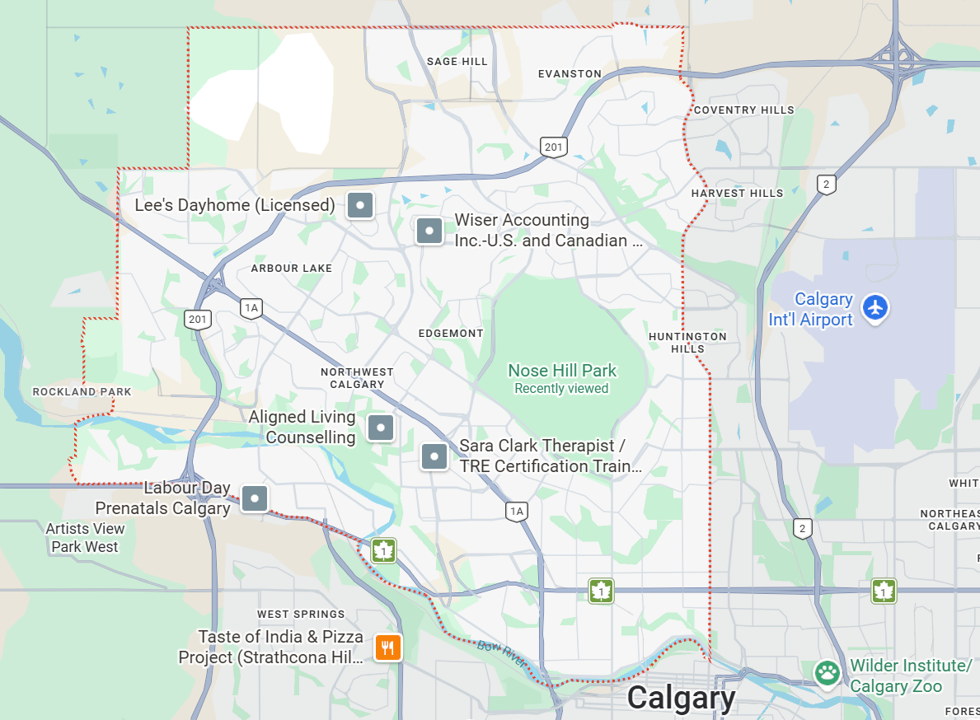
Northwest Calgary (NW): “Education + Outdoors + Established Family Areas”

Best fit for: families, professionals, long-term owners, buyers who want parks + schools + a wide range of housing.

What buyers love

  • Strong neighbourhood mix: from established communities to newer NW builds, often with good access to parks and pathways.

  • Lifestyle: easy access to big green spaces (e.g., Nose Hill area vibe) and plenty of “everyday convenience” shopping, schools, recreation.

  • Resale strength: NW is often a “safe bet” for long-term livability and demand (reflected in higher benchmark pricing).

Watch-outs

  • Price point: NW benchmark pricing is higher than NE and SE, so you may trade space for location/features.

  • Commute differences: NW is large—your commute can vary a lot depending on whether you’re inner NW vs far NW. (Always test-drive the route at rush hour.)

Smart buyer tip

  • Use Calgary’s community profiles to compare demographics, housing type, and household stats by specific community—not just “NW.”

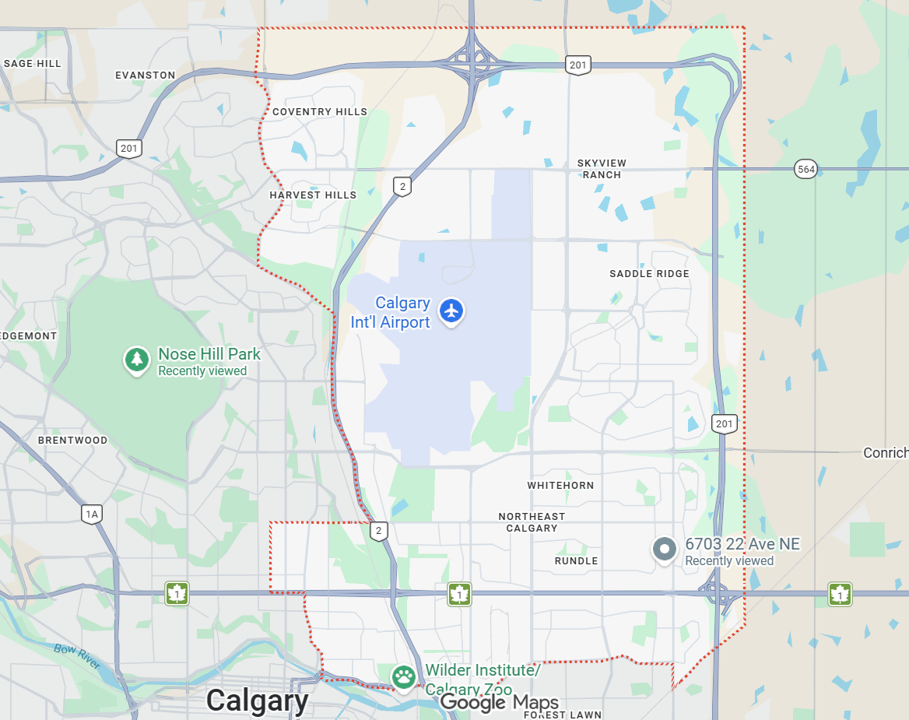
Northeast Calgary (NE): “Value + Diversity + Airport/Logistics Access”

Best fit for: first-time buyers, value-focused families, investors looking for affordability, buyers who want access to the airport or major routes.

What buyers love

  • Affordability: NE district benchmark pricing is typically among the lowest in Calgary, which can mean a lower entry point for ownership.

  • Convenience for travel & industry: many NE areas benefit from proximity to major roads and the airport/industrial employment hubs (depending on the exact community).

  • Culture & food: NE is known for diverse local businesses and restaurants—often a big lifestyle win.

Watch-outs

  • Neighbourhood-by-neighbourhood variance: NE ranges from older pockets to newer master-planned communities. Condition, lot sizes, and long-term maintenance needs vary widely—get a strong inspection.

  • Perception vs reality: some buyers over-generalize NE. Use data (and street-level tours) rather than reputation.

Smart buyer tip

  • If safety stats matter to you, rely on the Calgary Police Service community dashboard for current, map-based incident trends by community.

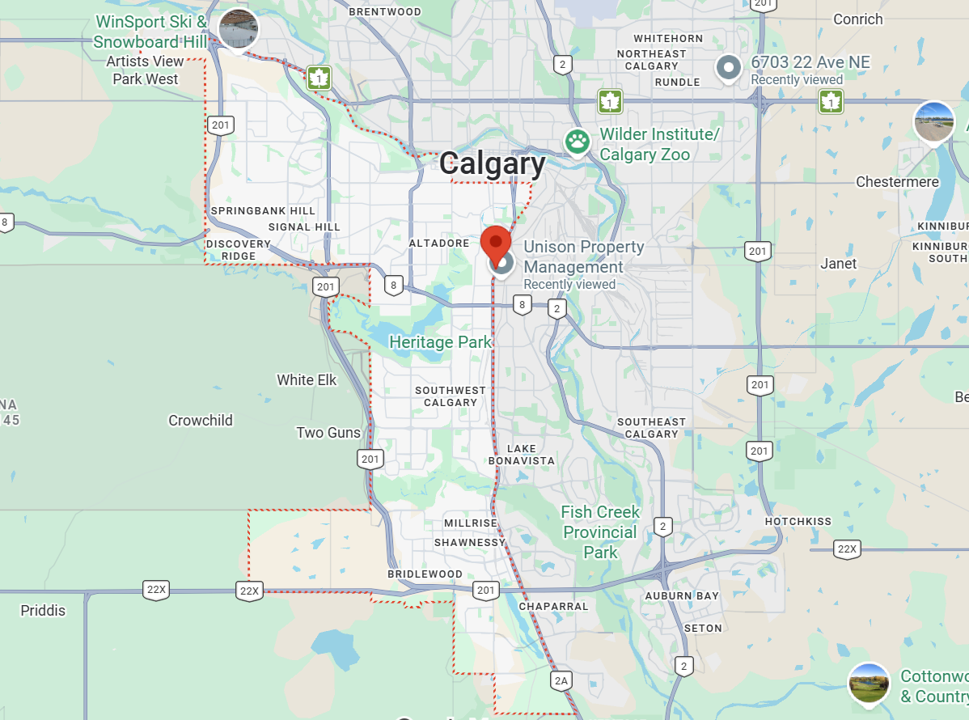
Southwest Calgary (SW): “Inner-City + Prestige + Mature Neighbourhoods”

Best fit for: buyers prioritizing commute, inner-city lifestyle, mature trees/character homes, or premium west-side living.

What buyers love

  • Lifestyle variety: SW includes a lot of Calgary’s inner-city energy (and many established neighbourhoods), plus higher-end west-side options.

  • Commute advantages (often): many SW communities offer quicker access to downtown, major routes, and established amenities—depending on where you are.

  • Premium pockets: the “West” district benchmark is one of the highest in the city, reflecting stronger pricing in many west/SW-adjacent areas.

Watch-outs

  • Price spread is huge: SW can mean anything from condo living closer in to luxury west-side pricing. Expect bigger swings in what you get for the money.

  • Older housing realities: inner SW often means older homes—budget for upgrades (windows, roof, electrical, sewer scope where relevant).

Smart buyer tip

  • If schools are a deciding factor, check designations before you buy. CBE lets you search by address to see designated schools and programs.

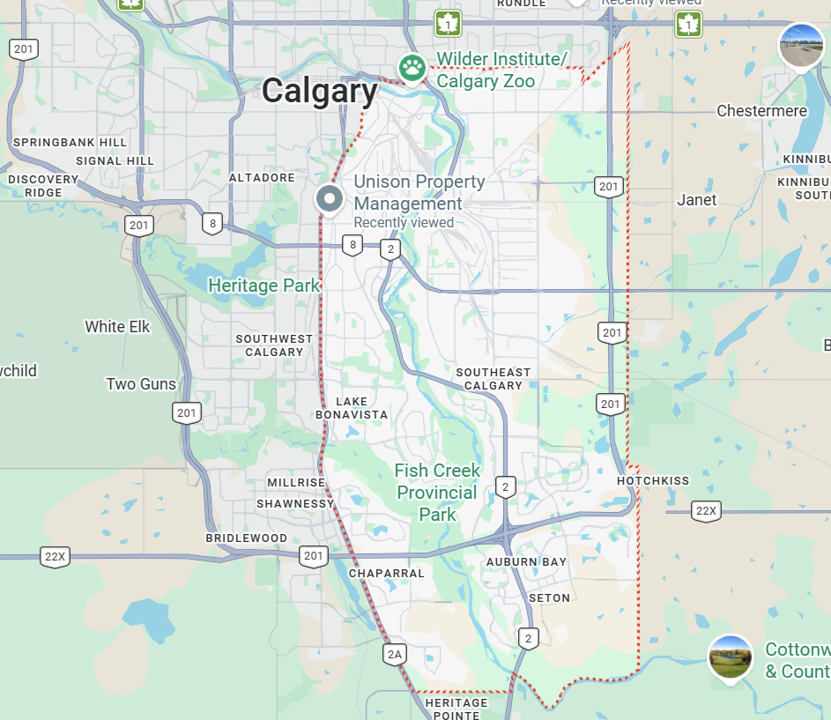
Southeast Calgary (SE): “Family Communities + New Builds + Lifestyle Amenities”

Best fit for: growing families, buyers who want newer homes, buyers seeking community amenities (often parks/lakes), and balanced value.

What buyers love

  • Balanced pricing: SE benchmark pricing often lands between NE and NW/SW pricing (varies by community).

  • Newer community feel in many areas: lots of SE neighbourhoods have newer housing stock, modern layouts, and master-planned amenities.

  • Easy day-to-day living: many SE areas are designed around schools, shopping nodes, and community recreation.

Watch-outs

  • Commute planning: SE is large—your drive time can change dramatically depending on whether you’re closer-in or far SE.

  • New community “extras”: some areas have HOA/amenity fees (varies by neighbourhood). Always confirm monthly costs before removing conditions.

Smart buyer tip

  • If you want a “facts-first” comparison of communities, use the City’s tools: community profiles and boundary maps help you confirm exactly what’s included in an area.

How to choose the right quadrant (simple decision framework)

Pick your top 2 priorities and let them decide the quadrant shortlist:

  • Budget-first? Start in NE, then compare value options in SE.

  • Commute / inner-city lifestyle? Explore SW (and nearby City Centre pockets).

  • Schools + parks + “settle in for 10 years”? Shortlist NW and family-friendly SE areas.

  • Safety data matters? Use CPS community-level dashboards rather than assumptions.

Final takeaway

There isn’t one “best” quadrant in Calgary—there’s only the best fit for your budget, commute, and lifestyle. The smartest buyers narrow down a quadrant first, then compare specific communities using data (prices, school designations, and community profiles) before touring homes.

If you want, tell me your budget range + where you commute (downtown, airport, SE industrial, remote, etc.) and I’ll suggest a tight shortlist of communities in each quadrant that match your goals.

CLARA NGUYEN - 778 836 2495 - Your Calgary Realtor!

Reference source: CREB and internet

Read

HOW MANY COMMUNITIES IN CALGARY IN 2026?

While the exact number changes as new ones are established, Calgary had around 206 communities by late 2023, with growth continuing into 2025, represented on detailed maps by organizations like CREB (Calgary Real Estate Board) and real estate sites, showing diverse areas from urban to suburban.

  • Official Count: The City of Calgary Newsroom reported 206 communities in 2023, up from 197 in 2016, with more added between 2015-2019.

  • Continuous Growth: Calgary is a growing city, so the number of official communities (defined by the city) increases as new developments are built and recognized.

Read

Tenant Rights in Calgary, Alberta: What Renters Need to Know Before Signing a Lease

If you’re renting in Calgary, understanding your tenant rights is essential. Alberta has clear rental laws designed to protect both tenants and landlords, mainly through the Residential Tenancies Act (RTA). Whether you’re new to Calgary, moving from another province, or renting for the first time, knowing these rules can help you avoid costly mistakes and protect your housing security.

With Calgary’s growing population and strong rental demand, being informed about your rights and responsibilities is more important than ever.

Understanding Alberta Rental Laws

In Calgary and across Alberta, most residential rentals — including apartments, condos, townhomes, and single-family homes — fall under the Residential Tenancies Act.

This law sets minimum standards for:

  • Safe and livable housing conditions

  • Legal lease requirements

  • Security deposit rules

  • Eviction notice timelines

  • Dispute resolution options

Even if something isn’t written in your lease, Alberta law still applies.

Security Deposits in Calgary Rentals

In Alberta, landlords can only charge up to one month’s rent as a security deposit.

Key rules renters should know:

  • Deposits cannot increase if rent increases

  • Landlords must follow rules for holding deposit funds

  • Deposits must be returned if there is no damage or unpaid rent

If everything is in good condition when you move out, deposits are typically returned within about 10 days.

Why Move-In and Move-Out Inspections Matter

Inspection reports are one of the most important documents in any Calgary rental agreement.

They:

  • Protect tenants from unfair damage charges

  • Protect landlords from undiscovered property damage

  • Are required for security deposit deductions

Always keep a copy of your inspection report.

Tenant Responsibilities in Alberta

Tenants must:

  • Pay rent on time

  • Keep the property reasonably clean

  • Avoid damaging the unit

  • Respect neighbors and building rules

Following these helps avoid eviction notices or legal disputes.

Evictions and Legal Notice Periods in Alberta

Landlords must follow legal eviction procedures. Common notice timelines include:

  • 24-hour notice — Serious situations (major damage, safety issues)

  • 14-day notice — Issues like unpaid rent or repeated lease violations

In some cases, paying overdue rent before the deadline can stop eviction.

Rental Disputes in Calgary

If problems happen, Alberta offers a faster option than court through the Residential Tenancy Dispute Resolution Service (RTDRS).

This service helps resolve:

  • Deposit disputes

  • Repair issues

  • Lease disagreements

  • Eviction conflicts

Why Tenant Education Matters in Calgary’s Rental Market

Calgary remains one of Canada’s more affordable major cities, but rental demand is rising. Understanding tenant rights helps renters:

  • Protect their deposits

  • Avoid legal disputes

  • Build positive landlord relationships

  • Prepare for future homeownership

Final Thoughts: Renting Smart in Calgary

Calgary offers strong rental opportunities, but knowing your legal rights and responsibilities is key to a smooth rental experience. Whether you’re renting short-term or planning to buy in the future, being informed helps you make better housing decisions.

If you’re planning to rent, invest, or buy property in Calgary, working with a knowledgeable Property Management professional can help you navigate the local market with confidence.

Feel free to contact me if you have any question at Clara Nguyen - 778 836 2495

Read
Data is supplied by Pillar 9™ MLS® System. Pillar 9™ is the owner of the copyright in its MLS®System. Data is deemed reliable but is not guaranteed accurate by Pillar 9™.
The trademarks MLS®, Multiple Listing Service® and the associated logos are owned by The Canadian Real Estate Association (CREA) and identify the quality of services provided by real estate professionals who are members of CREA. Used under license.